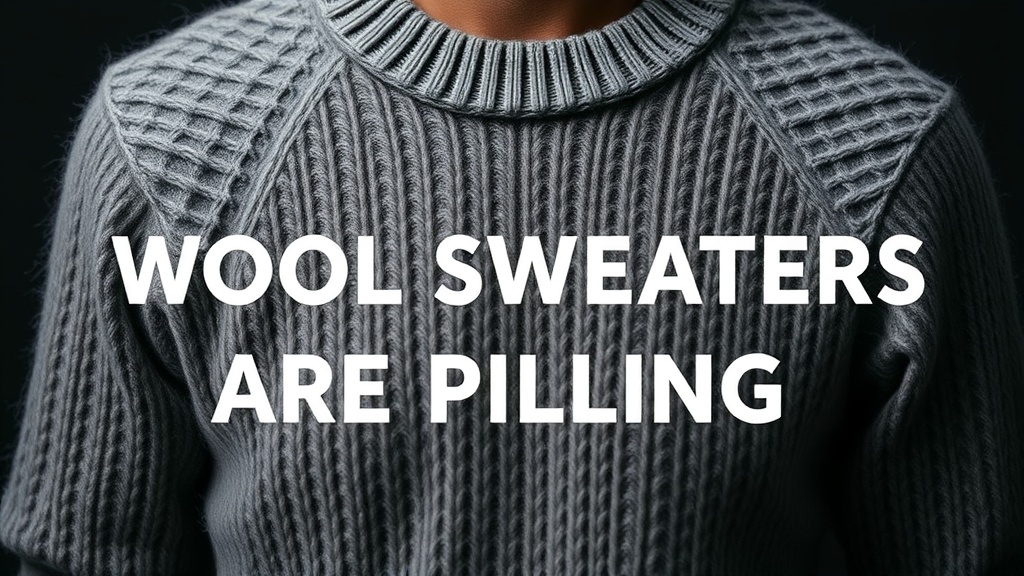
Why Your Wool Sweaters Are Pilling

The High Cost of Low-Quality Wool
Most women assume that pilling is a sign of a "bad" sweater or a cheap brand, but that is a fundamental misunderstanding of textile science. Pilling—those small, annoying balls of fuzz that form on the surface of your knitwear—is actually a natural byproduct of fiber friction. Even a $400 cashmere sweater from a high-end boutique will pill if the construction or the fiber length isn't compatible with how you move. Understanding why this happens allows you to stop viewing pilling as a reason to discard a garment and start viewing it as a manageable part of a high-functioning wardrobe. This guide breaks down the mechanics of friction, the specific types of wool that are most susceptible, and the exact methods for preventing and removing pills to extend the life of your investments.
The Science of the Pill
To manage your wardrobe effectively, you have to understand the "why" behind the damage. A pill is essentially a cluster of loose fibers that have escaped the twist of the yarn. When these fibers encounter friction—such as the rubbing of your arms against your torso or the friction of a seatbelt—they tangle together and form a knot.
There are three primary factors that dictate how quickly your sweater will pill:
- Fiber Length: Short fibers (often found in lower-grade wool or "recycled" blends) have more loose ends. These ends migrate to the surface and tangle easily. Long-staple fibers, like those found in high-quality Merino or Grade A Cashmere, are much more stable.
- Twist Density: A loosely spun yarn is cozy and soft, but it is also structurally weak. The less "twist" there is in the yarn, the more likely the fibers are to migrate and form pills.
- Fiber Type: Synthetic blends, such as wool mixed with nylon or acrylic, are notorious for pilling. While the synthetic adds durability and stretch, the friction between the natural wool and the plastic-based synthetic creates a high-friction environment that accelerates pill formation.
Common Culprits in Your Wardrobe
Not all wool is created equal, and knowing what you own will help you predict how much maintenance it requires. If you are building a capsule wardrobe with high-quality basics, you need to be aware of these specific categories:
1. The Cashmere Trap
Cashmere is incredibly soft because the fibers are fine and often have a lower twist. This softness comes at a cost: high pilling potential. If you buy a cashmere sweater that feels "too soft" or "too fluffy" in the store, it is likely a sign that the fibers are short and will pill almost immediately upon wear. Look for "two-ply" cashmere, which means two yarns are twisted together, providing more structural integrity.
2. Merino Wool Performance
Merino is the workhorse of the wool world. Because the fibers are generally longer and the twist is tighter, Merino tends to pill much less than cashmere. It is an excellent choice for professional environments where you want a polished look without constant maintenance. However, even Merino can pill in high-friction areas like the underarms or where a handbag strap rests.
3. The Synthetic Blend Problem
Many "wool-feel" sweaters found at fast-fashion retailers are actually heavily blended with acrylic or polyester. While these are cheaper, the mismatch in fiber elasticity causes the wool to pull away from the synthetic, creating the characteristic fuzz balls. If your sweater is more than 30% synthetic, expect to deal with pilling more frequently.
Preventative Maintenance Strategies
The best way to handle pilling is to prevent it from occurring through smart wearing habits. Maintenance is a math problem: the less friction you create, the longer the garment lasts.
Watch Your Layers: One of the most common causes of pilling is wearing a textured or rough outer layer over a soft wool sweater. For example, wearing a heavy, unlined denim jacket over a fine-gauge Merino sweater will cause constant abrasion. To protect your knitwear, ensure your outer layers have smooth linings, such as silk, viscose, or high-quality polyester.
Mind Your Accessories: Your handbag is a major source of friction. A heavy leather tote or a crossbody bag with a textured strap will rub against your hip or chest, creating a "pill zone" on your sweater. If you are wearing a delicate knit, opt for a handheld clutch or a bag with a smooth, continuous strap to minimize contact.
The "Rest" Rule: Just as you wouldn't wear the same pair of leather boots every single day without letting them breathe, you should never wear the same wool sweater two days in a row. Fibers need time to recover their shape. By rotating your knits, you allow the tension in the yarn to relax, which reduces the likelihood of fibers breaking and migrating to the surface.
How to Remove Pills Safely
When pilling does occur, do not reach for a pair of scissors. Cutting the pills often leads to "nicks" in the knit, which can create holes that are nearly impossible to repair. Instead, use one of these three professional-grade tools:
- The Fabric Shaver (Electric Lint Remover): This is the most efficient method for large areas, such as the torso of a sweater. A high-quality electric shaver (like those made by Philips or Conair) uses a rotating blade behind a protective mesh. It catches the pills without snagging the base fabric. Use light, circular motions and do not press down hard.
- The Cashmere Comb: This is a handheld tool with a fine metal mesh or textured surface. It is best for delicate, high-end knits. Hold the sweater flat on a hard surface and gently "comb" the pills away. This is a more manual, precise method that works well for small, localized areas.
- The Wool Comb: Similar to a cashmere comb but often with slightly coarser teeth, these are ideal for heavier, more rugged wool sweaters (like a chunky fisherman sweater).
Storage and Washing Protocols
How you treat your wool after you take it off is just as important as how you wear it. Improper storage can actually cause fibers to loosen and become more prone to pilling later.
Never Hang Your Sweaters: Hanging a wool sweater on a hanger is a recipe for disaster. Gravity pulls the weight of the garment downward, stretching the fibers and creating "shoulder bumps." This stretching creates gaps in the knit, making it even easier for fibers to escape and pill. Always fold your sweaters and store them in a cool, dry drawer or a breathable cotton storage bag.
Wash with Intention: Heat and agitation are the enemies of wool. If you must machine wash, use a dedicated wool cycle with cold water and a gentle detergent like Woolite or an even more specialized pH-neutral wool wash. Even better, hand wash your most precious knits in a sink with cool water. Never wring or twist a wet sweater; instead, lay it on a clean towel, roll the towel up to absorb excess moisture, and then lay it flat to dry.
The Role of Humidity: Extremely dry air can make wool fibers brittle, leading to more breakage. If you live in a very dry climate during winter, using a humidifier in your bedroom can help keep the fibers of your clothing more supple and resilient.
The Bottom Line on Value
A well-maintained, slightly pilled sweater is far more valuable than a brand-new, cheap one that loses its shape after two wears. When you are shopping, look past the brand name and look at the fiber composition and the weight of the knit. A heavy-weight, two-ply Merino sweater will always serve you better in the long run than a lightweight, single-ply cashmere blend that requires constant de-pilling. Style is not about having a pristine, untouched wardrobe; it is about having a collection of high-quality pieces that you know how to care for, maintain, and wear with confidence.