How to Build a Capsule Wardrobe with Basics

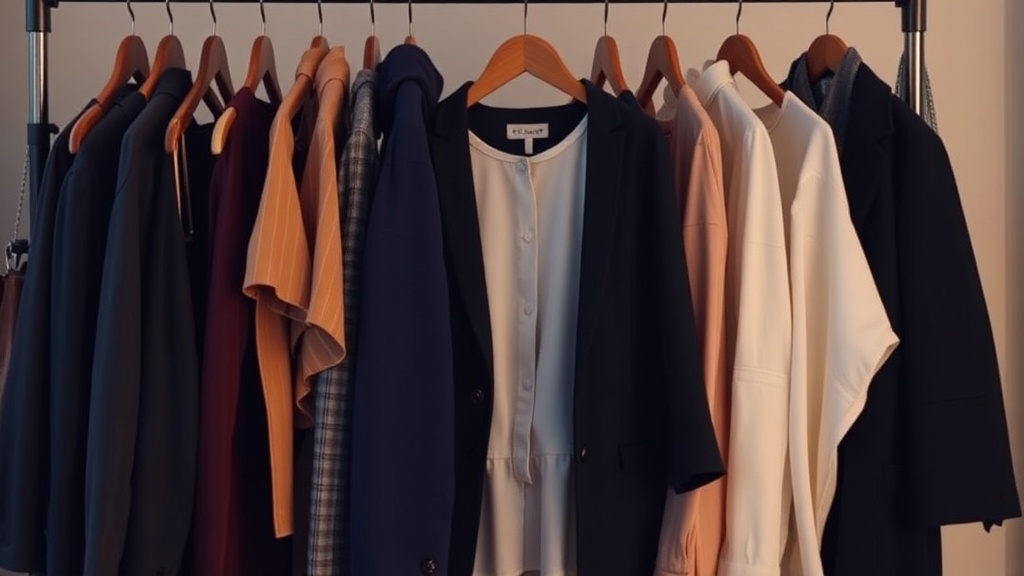
A single white cotton button-down shirt hangs on a wooden hanger, perfectly pressed, sitting next to a pair of straight-leg indigo denim jeans and a navy blazer. This trio represents the core of a functional wardrobe. Building a capsule wardrobe with basics is not about owning a massive collection of trendy items; it is about selecting a curated group of high-quality, versatile pieces that work together seamlessly. This guide provides a mathematical approach to selecting your foundational items so you can stop buying clothes you never wear and start building a wardrobe that works for your actual life.
The Logic of the Capsule Wardrobe
Most women approach shopping with an emotional impulse, but a successful capsule wardrobe relies on a systematic approach. A capsule wardrobe is a collection of essential items that are timeless, versatile, and high-quality. Instead of chasing the latest "micro-trend" seen on TikTok, you are investing in the architecture of your style. When your foundation is solid, you can add personality through accessories or a single statement piece without needing a closet full of clutter.
The goal is to achieve a high "cost-per-wear" ratio. A $150 silk blouse that you wear twice a year is much more expensive in the long run than a $40 high-quality cotton tee that you wear three times a week. By focusing on basics, you ensure that every piece in your closet can be paired with multiple other items, maximizing the utility of every dollar spent.
Step 1: Define Your Color Palette
A capsule wardrobe fails when the colors do not communicate with one another. To prevent a closet full of "orphan" items—pieces that don't match anything else—you must establish a cohesive color palette before you shop.
- Base Neutrals: Choose two primary neutrals. These are usually colors like navy, black, camel, or charcoal. These will be your heavy hitters: trousers, coats, and blazers.
- Secondary Neutrals: These are lighter shades that complement your base, such as cream, white, heather gray, or beige. These work well for t-shirts, knitwear, and camisoles.
- Accent Colors: Select two or three colors that you genuinely love and that suit your skin tone. These might be forest green, dusty rose, or sky blue. Use these sparingly for items like sweaters or scarves to add visual interest.
When every item in your closet follows this palette, you can get dressed in the dark and still look put-together. If you choose a navy base, your accent colors might be burgundy and emerald green. If you choose a camel base, your accents might be cream and sage.
Step 2: The Essential Checklist of Basics
A well-built capsule is composed of different categories: tops, bottoms, outerwear, and footwear. Below is a blueprint for a seasonal capsule that focuses on versatility and durability.
The Foundation Tops
Tops are the most frequent change in a wardrobe, so prioritize fabric quality here. Look for long-staple cotton, silk, or high-quality linen.
- The White Button-Down: Look for a crisp poplin or a soft linen. It should be structured enough to wear under a blazer but relaxed enough to tuck into jeans.
- The High-Quality Crewneck Tee: Avoid thin, translucent fabrics. A mid-weight cotton tee in white, black, and gray is essential.
- The Breton Stripe Top: This adds pattern without breaking your color palette. It pairs perfectly with denim or navy trousers.
- The Lightweight Knit: A cashmere or merino wool sweater in a neutral tone works for layering in transitional weather.
The Versatile Bottoms
Bottoms provide the structure of your outfit. Fit is more important than brand name here. A well-fitting pair of trousers is the cornerstone of a professional and polished look.
- Straight-Leg Denim: A mid-blue or dark wash denim is the most versatile. Avoid excessive distressing, which limits how many occasions the jeans can be worn to.
- Tailored Trousers: A pair of navy or black trousers in a wool blend or heavy crepe. These can be dressed up with a blazer or dressed down with a white tee and sneakers.
- The Slip Skirt: A midi-length satin or silk skirt in a neutral tone (like champagne or black) transitions easily from a daytime office look to a dinner outfit.
Outerwear and Layering
Outerwear is often the most expensive part of a wardrobe, so invest in pieces that offer longevity.
- The Structured Blazer: A navy or camel blazer instantly elevates a basic outfit.
- The Trench Coat: A classic tan trench is the ultimate transitional piece for spring and autumn.
- The Denim Jacket or Utility Jacket: For more casual days, a structured denim or olive utility jacket provides a layer of texture.
Footwear Fundamentals
Shoes dictate the formality of your look. Ensure your footwear is well-maintained to keep the "basic" look from appearing "sloppy." If you aren't sure about your footwear maintenance, check out our guide on why your white sneakers are turning yellow to keep your casual basics looking fresh.
- The White Leather Sneaker: A clean, minimalist sneaker works with everything from dresses to denim.
- The Loafer: A black or tan leather loafer adds a professional touch to trousers.
- The Ankle Boot: A leather boot with a low heel is essential for colder months.
Step 3: Evaluating Fit and Fabric
The reason a $32 pair of trousers often looks better than a $300 designer pair is not magic; it is the math of fit and fabric. When building a capsule, you must become an expert at reading labels and understanding silhouettes.
The Fabric Test
Before purchasing, check the internal care tag. If a garment is more than 30% synthetic (like polyester or acrylic), it will likely pill, lose its shape, or trap heat. Aim for natural fibers:
Cotton: Breathable and durable for tees and button-downs.
Wool/Cashmere: Excellent for temperature regulation in knits.
Linen: Ideal for summer basics.
Silk: Adds a touch of luxury to your capsule without being overly precious.
The Proportion Rule
To ensure your basics don't look boring, use the principle of proportions. If you are wearing wide-leg trousers, pair them with a more fitted top. If you are wearing an oversized sweater, pair it with slimmer jeans or a skirt. For a more detailed look at how to balance your silhouette, read our guide on the one-third two-thirds rule for perfect proportions.
Step 4: Implementing the "One-In, One-Out" Rule
Once you have built your capsule, the biggest threat to its success is "incremental clutter"—the small, cheap purchases that eventually overwhelm your closet. To maintain a streamlined wardrobe, implement the one-in, one-out rule. If you buy a new navy sweater, one of your old sweaters must be donated or sold. This forces you to evaluate whether a new item is actually a better version of something you already own, rather than just a redundant addition.
A capsule wardrobe is not a static entity; it is a living system. You will swap pieces out as seasons change, but the core logic—quality, color cohesion, and versatility—remains the same. By focusing on these fundamentals, you build a wardrobe that provides confidence every morning, rather than a closet full of decisions you aren't ready to make.
Steps
- 1
Audit Your Current Closet
- 2
Define Your Personal Style
- 3
Identify Your Color Palette
- 4
Invest in High-Quality Basics
- 5
Test Your Outfits