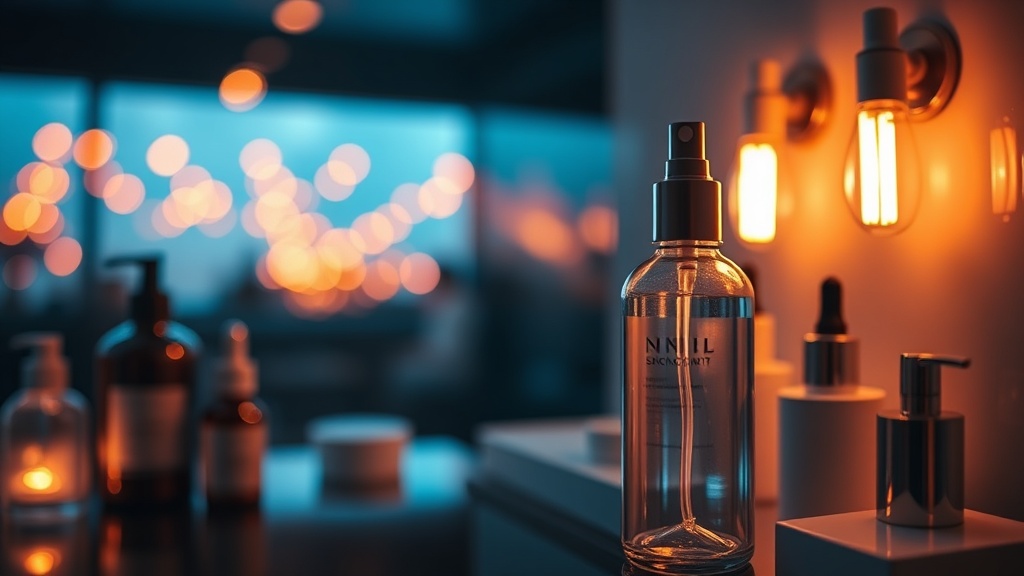
Stop Letting Your Skincare Products Expire Unnoticed

Quick Tip
Always look for the tiny open jar icon on your packaging to know how many months a product stays fresh.
Did you know that nearly 20% of the skincare products in your bathroom cabinet might actually be working against you? Using expired products isn't just a waste of money—it can lead to skin irritation, breakouts, or even chemical burns. This post breaks down how to spot expired products and how to manage your beauty inventory so you aren't throwing money down the drain.
How Do I Know if My Skincare is Expired?
The fastest way to check is to look for the Period After Opening (PAO) symbol, which looks like a tiny open jar with a number and the letter "M" (for months) inside.
If you don't see a symbol, look at the texture and scent. Is your favorite La Mer cream suddenly grainy? Has your The Ordinary Hyaluronic Acid changed color? These are red flags. Bacteria thrives in products that have been sitting too long, especially if you dip your fingers directly into a jar. (Pro tip: use a spatula to keep things clean.)
Check for these signs of spoilage:
- Changes in scent: A sour or "off" smell usually means the oils have gone rancid.
- Separation: If your serum has separated into layers that won't recombine, it's likely dead.
- Color shifts: A bright white cream turning yellowish is a bad sign.
How Long Do Skincare Products Last?
Lifespans vary wildly depending on the formula and the packaging, but most shelf-stable products last between 6 and 24 months once opened.
I like to keep a simple log of my most expensive items. It’s a small habit that saves a lot of money in the long run. If you're using a high-performance Vitamin C, you need to move fast. Vitamin C is notoriously unstable and oxidizes quickly when exposed to air and light.
| Product Type | Average Lifespan (Opened) | Warning Sign |
|---|---|---|
| Face Creams/Moisturizers | 6–12 Months | Grainy texture |
| Serums (Vitamin C/Retinol) | 3–6 Months | Darkening color |
| Mascara | 3 Months | Clumping or scent change |
| Sunscreen | 6–12 Months | Liquid separation |
For more technical details on chemical stability, you can check the FDA cosmetics guidelines. It's worth noting that even if a product isn't "expired" by the date, your skin's needs change. A heavy moisturizer that worked in winter might feel greasy in July.
Why Should I Care About Expiration Dates?
Using expired products can cause inflammation and diminish the efficacy of your active ingredients.
If you're using a high-end retinol, you want it to actually work. Once the active ingredients degrade, you're just applying an expensive, useless lotion to your face. It’s a bad investment. Just like you wouldn't wear a stained, outdated shirt, don't apply a product that has lost its potency. If you want to keep your beauty routine organized, you might also want to organize your beauty storage to keep track of your items more effectively.