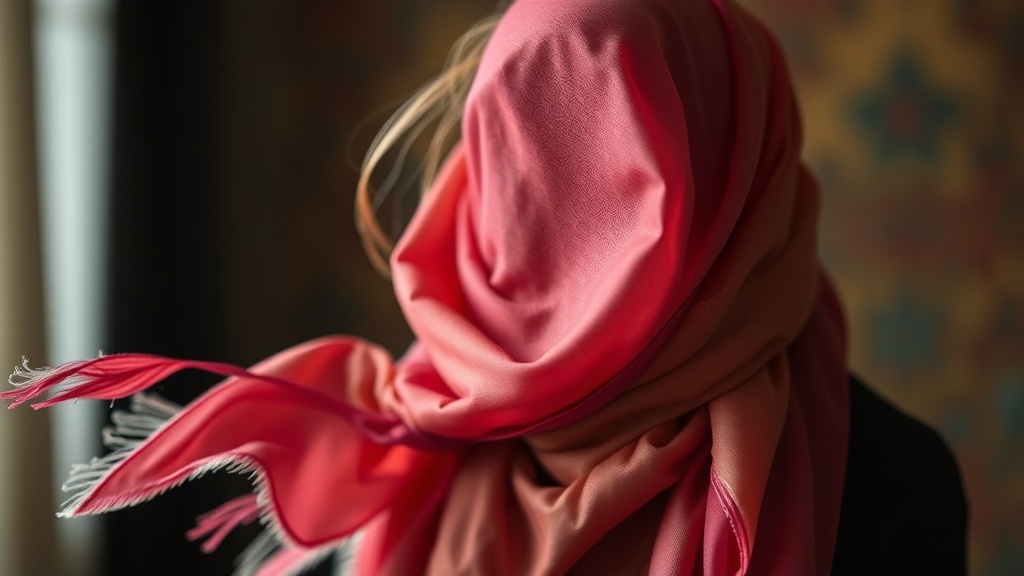
Why Your Silk Scarf Keeps Fraying

Improper Hand Washing
Rough Fabric Friction
Using the Wrong Detergent
Incorrect Storage Methods
You pull a vintage silk scarf from your jewelry box, intending to add a pop of color to a navy blazer, only to find the edges are unravelling into tiny, loose threads. This isn't just a sign of age; it is often the result of specific mechanical stress, improper storage, or chemical exposure. Understanding why your silk accessories are fraying helps you protect your investment and ensures you aren't replacing high-quality pieces prematurely. This guide breaks down the technical reasons for silk degradation and provides practical steps to maintain your collection.
The Mechanics of Fraying
Silk is a protein fiber, much like human hair. While it is incredibly strong for its weight, it is also highly sensitive to friction and tension. When we talk about fraying, we are usually discussing the breakdown of the weave or the failure of the hem. If you notice threads pulling away from the edge, you are witnessing the physical limits of the fabric being tested.
1. Mechanical Friction and Constant Movement
The most common culprit for frayed edges is simple friction. If you wear a silk scarf tucked into a high-neck sweater or wrapped tightly around a heavy wool coat, the constant rubbing against a rougher texture acts like fine-grit sandpaper. This friction pulls the delicate filaments out of the weave. For example, a silk twill scarf worn against a textured cashmere sweater will experience much higher rates of edge wear than one worn against a smooth silk camisole or a fine-gauge merino wool top.
To prevent this, be mindful of how you layer. If you are wearing a heavy winter coat, opt for a silk scarf that is draped loosely rather than wrapped tightly. Tight wraps create tension that pulls at the edges, eventually leading to the "fuzzy" appearance known as pilling or fraying.
2. Improper Hemming Techniques
Not all silk scarves are created equal, and the way the edges are finished dictates their longevity. High-end brands like Hermès are famous for their hand-rolled, hand-stitched hems. These edges are slightly bulky and incredibly durable because the silk is rolled and then secured with tiny, invisible stitches. However, if you purchase a mass-market silk scarf with a machine-stitched hem, the tension of the sewing machine can actually create tiny holes in the delicate fabric. Over time, these holes expand, and the edges begin to fray.
When shopping, check the edges. A hand-rolled edge should feel slightly raised and irregular. If the edge feels perfectly flat and thin, it is likely a machine hem, which is more prone to unraveling if a single thread catches on a piece of jewelry or a handbag clasp.
3. Jewelry and Accessory Interference
The jewelry you wear can be the silent killer of your silk accessories. Sharp edges on a statement necklace, the prongs of a ring, or even the clasp of a heavy chain bracelet can snag the fine filaments of a silk weave. Once a single thread is pulled out, the structural integrity of that section of the fabric is compromised, leading to a permanent snag or a fraying edge.
If you plan to wear a silk scarf, check your jewelry first. Avoid wearing highly textured or "spiky" jewelry, such as certain vintage brass necklaces or heavy statement pieces with protruding elements, during the same outfit. This is a practical way to ensure your accessories don't end up looking worn out after just a few wears.
Chemical and Environmental Degradation
Beyond physical damage, the chemical composition of your environment plays a massive role in how long your silk remains intact. Silk is organic, which means it reacts to its surroundings in predictable, measurable ways.
4. Residual Beauty Products and Fragrances
Perfume, hairspray, and heavy lotions are detrimental to silk. The alcohol and oils found in these products can weaken the protein fibers of the silk. If you spray your perfume after putting on your silk scarf, the mist can settle into the weave. As the alcohol evaporates, it can leave behind residues that make the fibers brittle. Brittle fibers break more easily under friction, leading to faster fraying.
The rule for a streamlined wardrobe is to apply all perfumes, hairsprays, and lotions and let them dry completely before introducing your silk accessories. This ensures the fabric remains supple and resilient.
5. Improper Washing and Detergent Residue
Many women attempt to clean silk at home using standard laundry detergents, which is a mistake. Most commercial detergents contain enzymes designed to break down proteins (like food stains). Since silk is a protein fiber, these enzymes actually begin to "digest" the fabric, thinning the threads and causing them to fray at the edges. Furthermore, if you do not rinse the silk thoroughly, dried detergent residue can make the fibers stiff and prone to snapping.
For long-term care, use a pH-neutral detergent specifically labeled for silk or wool, such as The Laundress or a gentle baby shampoo. Always rinse with cool water and avoid the agitation of a washing machine. If you are unsure, professional dry cleaning is the safest option, but ensure they use a "green" or gentle process to avoid harsh chemical stripping.
Storage Solutions for Longevity
How you store your scarves when they aren't in use is just as important as how you wear them. Improper storage can lead to permanent creases or structural damage that mimics fraying.
6. Avoiding the "Fold and Forget" Trap
Folding a silk scarf into a small square and storing it in a tight drawer creates permanent creases. These creases are essentially "stress points" where the fibers are bent. Over time, these bends become weak points, and the fabric may eventually tear or fray along the crease line. While this isn't edge fraying, it is a form of structural failure caused by poor storage.
Instead of folding, try rolling your scarves. Use a dedicated scarf ring or a cardboard tube to roll the silk loosely. This prevents sharp creases and keeps the fibers in a relaxed state. If you must fold them, place a piece of acid-free tissue paper between the folds to provide a buffer and reduce friction.
7. Light Exposure and Humidity
Storing silk in a brightly lit closet or a humid bathroom can lead to degradation. UV rays from sunlight can break down the molecular bonds of the silk fibers, making them brittle and prone to fraying. Similarly, high humidity can cause the fibers to swell and contract, weakening the weave. Store your silk collection in a cool, dark, and dry environment—ideally in a breathable cotton bag rather than a plastic bin, which can trap moisture.
Summary Checklist for Silk Care
To keep your silk accessories looking pristine, follow this practical maintenance routine:
- Inspect the Hem: Before purchasing, check if the scarf is hand-rolled or machine-stitched.
- Layer Smartly: Avoid wearing silk against highly textured or abrasive fabrics like heavy wool.
- Jewelry Check: Ensure your necklaces and bracelets do not have sharp edges that can snag.
- The "Dry First" Rule: Apply all perfumes and hairsprays before putting on your scarf.
- Gentle Cleaning: Use only pH-neutral, silk-safe detergents and avoid machine washing.
- Roll, Don't Fold: Store scarves rolled to prevent permanent creasing and fiber stress.
Investing in high-quality silk is a smart choice for a capsule wardrobe, but only if you treat the material with the technical respect it requires. By managing friction, chemical exposure, and storage, you ensure that your accessories remain a polished part of your style for years to come.