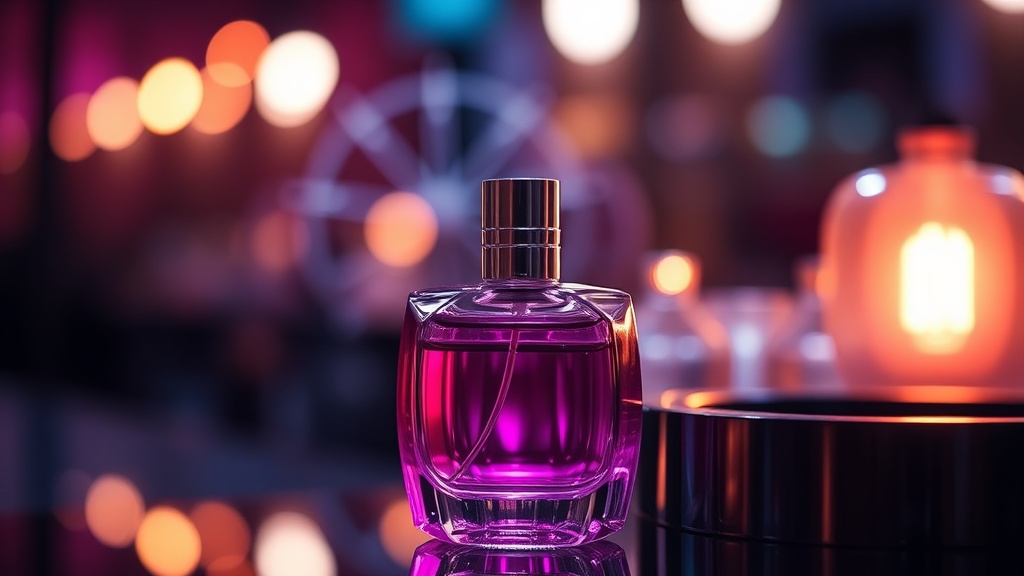
Why Your Perfume Disappears So Fast

Quick Tip
Apply fragrance to moisturized skin to help the scent molecules adhere longer.
Stop Wasting Money on Fragrance That Doesn't Last
You are learning why your perfume evaporates shortly after application and how to fix it through better skin preparation and strategic application. Fragrance longevity isn't just about the price tag of the bottle; it is about the science of how scent interacts with your skin and environment.
The Role of Skin Hydration
Dry skin is the primary reason scent disappears. When your skin lacks moisture, it absorbs the alcohol and oils in the perfume, effectively "eating" the scent. To prevent this, you must create a lipid barrier before spraying.
- Apply an unscented moisturizer: Use a heavy cream or a thin layer of Vaseline on your pulse points before applying fragrance. This creates a surface for the oils to sit on rather than sinking into the skin.
- Time your application: Apply your scent immediately after a shower when your pores are open and your skin is still slightly damp from moisturizer.
Strategic Pulse Points and Application
Where you spray matters as much as what you spray. Heat activates fragrance, so focus on areas where blood vessels are closest to the skin. However, common mistakes can actually break down the scent molecules prematurely.
- Target the heat zones: Focus on the wrists, the base of the throat, and behind the earlobes.
- Avoid the "rubbing" habit: Many people spray their wrists and then rub them together. This friction generates heat that breaks down the top notes of the perfume—like citrus or light florals—causing the scent to dissipate much faster. Instead, spray and let it air dry.
- Consider clothing: While skin is the standard, spraying a mist on your scarf or the lining of your coat can help the scent linger longer, as fabric holds onto molecules better than skin.
Understanding Concentration Levels
If you find that your scents are consistently short-lived, you may be buying the wrong concentration. Not all perfumes are created equal. A Eau de Cologne is mostly water and alcohol with very little oil, whereas a Eau de Parfum or a Parfum contains a much higher percentage of fragrance oils.
Sloane’s Pro-Tip: If you want a scent to last through a full workday, look for "Eau de Parfum" on the label. It has a higher oil concentration and will provide a much more stable scent profile than an "Eau de Toilette."
Just as you wouldn't wear a delicate silk blouse without checking the care label, don't treat your fragrance as a one-size-fits-all product. Optimize your skin's surface and choose higher concentrations to get the actual value out of your investment.