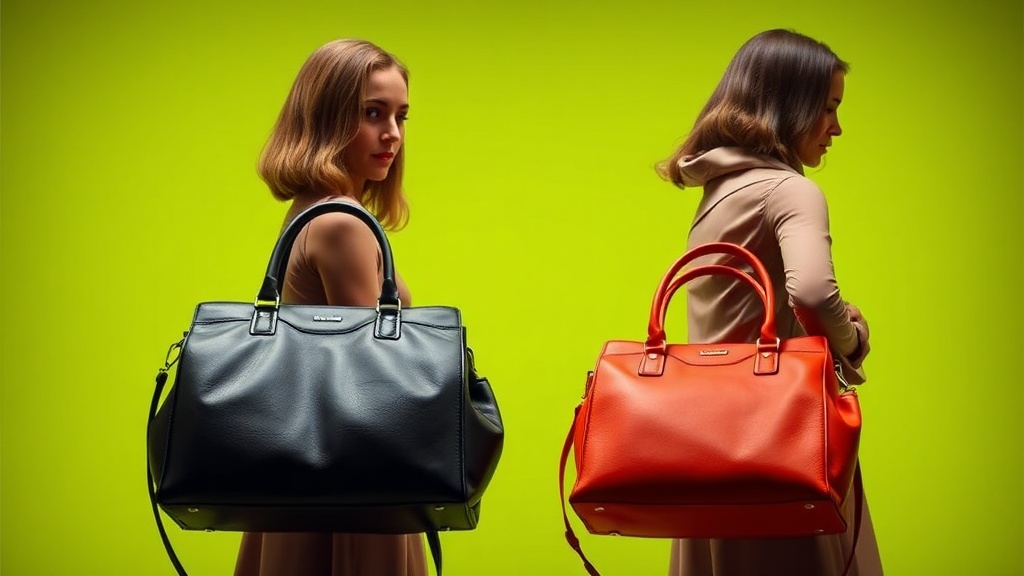
Which Handbag Should You Actually Carry With That Outfit?

You are standing in front of your closet, fully dressed, coffee in hand, and suddenly you freeze. The outfit is sorted—tailored trousers, crisp shirt, structured blazer—but your handbag selection feels completely wrong. The black crossbody looks too casual. The tan tote feels mismatched. That statement bag you splurged on last season? Somehow it throws off the entire vibe. This daily decision—small but consequential—can either pull your look together or leave it feeling slightly off. This post breaks down the real logic behind matching bags to outfits so you stop second-guessing yourself every morning.
Does Your Bag Need to Match Your Shoes?
The old rule—match your bag to your shoes—is one of those style myths that refuses to die. It originated in a different era when accessories were simpler and color coordination was the ultimate status signal. But here is the truth: strict matching looks dated, and honestly, a bit boring.
What works better is coordination, not replication. If you are wearing cognac leather loafers, a burgundy or chocolate brown bag creates depth and interest. Navy pumps pair beautifully with a forest green or charcoal handbag. The goal is creating a conversation between your accessories—not making them identical twins.
Texture matters here more than most people realize. A smooth leather bag against suede shoes creates lovely contrast. Woven straw or raffia bags work beautifully with leather sandals in summer—not because they match, but because the material combination feels intentional. Think of your accessories as supporting characters that should harmonize, not duplicate.
The one exception where matching still works? Monochromatic dressing. If you are wearing head-to-toe camel or all-black, a matching bag creates a sleek, elongated silhouette. But even then, varying the texture—patent leather bag against matte wool, for instance—keeps the look modern and prevents costume-like uniformity.
What Size Bag Works Best for Different Outfits?
Proportion is where most women go wrong. A petite frame drowning in an oversized tote looks overwhelmed. A tall woman with a micro-bag can appear slightly absurd—like she borrowed a child's accessory. The math here is about visual balance.
Structured outfits—blazers, tailored coats, wide-leg trousers—can handle larger, more architectural bags. The clean lines of your clothing echo the defined shape of a substantial tote or satchel. Conversely, fluid, unstructured pieces—flowing dresses, soft knits, relaxed jeans—pair better with slouchy hobos, soft bucket bags, or relaxed crossbodies that mirror the ease of your clothing.
Consider your silhouette holistically. If you are wearing something voluminous on bottom—pleated midi skirts, wide-leg pants—a bag that hits at your natural waist or slightly above helps define your shape. Long straps that hit at hip level with voluminous bottoms create a confusing middle section. Adjust strap length or choose top-handle styles to maintain clean vertical lines.
For work specifically, function drives size more than fashion. A bag that fits your laptop, a notebook, and daily essentials needs structure to protect contents and maintain shape. Vogue's guide to work-appropriate bags emphasizes that professional credibility often hinges on these practical details—scrambling for a pen or wrestling with a broken strap mid-meeting undermines competence far more than carrying last season's color.
Can You Mix Metals Between Jewelry and Hardware?
Your bag's hardware—zippers, buckles, chain straps, clasps—introduces metal tones that need consideration. The outdated rule says all metals must match: gold jewelry demands gold hardware, silver with silver. This rigidity belongs in the past.
Modern dressing embraces mixed metals as sophisticated and collected-over-time. The trick is distribution. If your bag has silver hardware, wear silver-toned jewelry closer to it—perhaps a silver bracelet on the arm carrying the bag. Gold earrings and necklaces can anchor the upper half. The eye reads this as intentional layering rather than accidental mismatch.
Some bags intentionally combine metals—gold and silver chains, two-tone hardware—which grants you permission to wear whatever jewelry you prefer. These designs are increasingly popular precisely because they solve this coordination puzzle. Who What Wear's analysis of mixed metal trends notes that this approach reads as confident and fashion-forward rather than confused.
When your bag hardware feels truly jarring against your jewelry—say, a very yellow gold clasp with cool platinum pieces—you have two options. Adjust the bag position so hardware is less visible (tuck the strap, carry by handles), or add a third metal like rose gold somewhere in your look to bridge the temperature difference. Three metals reads as deliberate; two conflicting tones can look accidental.
How Do You Coordinate Bags with Patterned Clothing?
Patterned clothing—florals, stripes, animal prints—complicates bag selection because you are already working with visual complexity. The goal is support, not competition.
Solid bags in colors pulled from the pattern work beautifully. A navy and white striped dress pairs perfectly with a navy bag (picking up the dominant color) or a red bag (pulling from an accent shade in the stripes). Either approach feels intentional. What does not work? A competing pattern—striped bag with striped dress, floral bag with floral dress. The clash overwhelms the eye.
Animal prints function as neutrals in accessory form. A leopard print bag pairs with almost anything—solid colors, stripes, even subtle florals—because the pattern reads as texture rather than competing imagery. This makes animal print bags incredibly versatile wardrobe investments, particularly in classic shapes.
For bold, artistic prints or color-blocked pieces, neutral bags provide necessary breathing room. Cream, tan, black, or navy bags ground adventurous clothing without competing for attention. If your outfit is the statement, your bag should be the punctuation—not another exclamation point.
When Should You Break All These Rules?
Style rules exist to provide frameworks, not prisons. There are moments to ignore everything above—and recognizing those moments is what separates women with genuine personal style from those who simply follow formulas.
The "wrong" bag often works when the contrast creates deliberate tension. A very casual canvas tote with an elegant silk dress signals confidence and practicality. An evening clutch carried with weekend jeans and a sweater elevates the ordinary. These unexpected combinations work because they are clearly intentional—you are not making a mistake; you are making a statement.
Your lifestyle should override aesthetic rules. A mother of young children carrying a micro-bag is impractical regardless of how perfectly it matches her shoes. A commuter needing hands-free convenience should prioritize crossbody functionality over theoretical coordination with her blazer. Harper's Bazaar's recommendations for functional work bags consistently emphasize that the right bag serves your actual life, not just your Instagram feed.
Ultimately, the best bag choice is one you do not think about once you have left the house. It holds what you need, feels comfortable on your shoulder, and allows you to move through your day without adjustment or distraction. The confidence of not fussing with your accessories—of forgetting about them entirely because they simply work—reads as more sophisticated than any perfectly coordinated combination ever could.