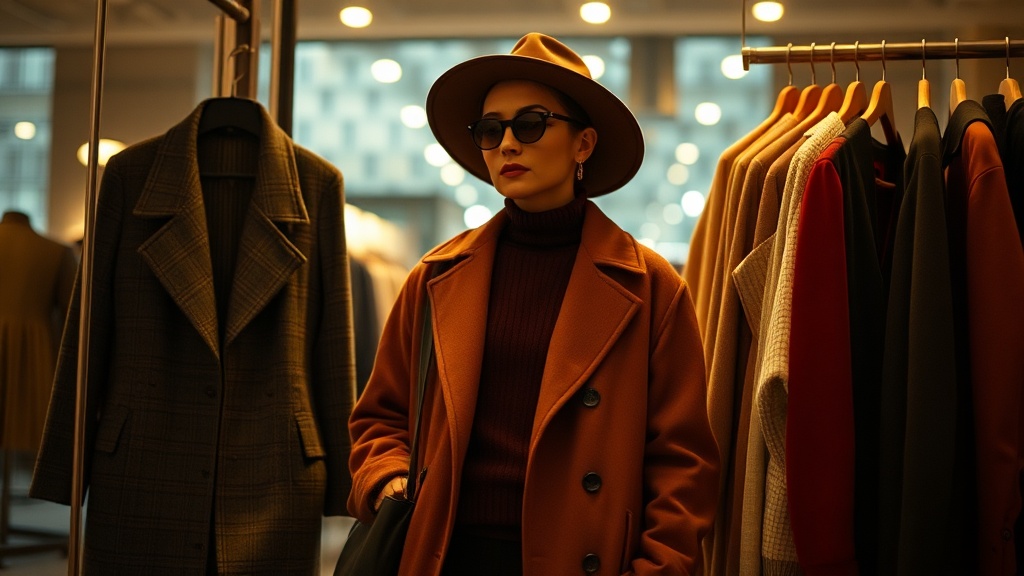
Stop Buying Seasonal Trends and Build a Capsule Wardrobe Instead

Most women believe that a "new look" requires a shopping trip. We've been conditioned to think that if we aren't buying the latest seasonal color or a trending silhouette, we're falling behind. But the truth is much simpler: a wardrobe full of "on-trend" items often leads to a closet full of clothes that don't actually work together. A successful wardrobe isn't built on the latest runway copy; it's built on a foundation of versatile, high-quality pieces that can be mixed, matched, and worn in multiple ways. This isn't about following a trend—it's about building a system that works for your actual life.
The problem with the trend cycle is the math. When you buy a piece just because it's "in" right now, you're betting that you'll have the right accessories, the right shoes, and the right mood to wear it. If that piece only works with one specific pair of shoes or one specific color, it isn't a versatile item; it's a temporary distraction. A true capsule wardrobe focuses on the longevity of the individual garment rather than the fleeting popularity of the style.
How do I start building a capsule wardrobe?
You don't need to throw everything away and start from scratch. In fact, that's the opposite of what you should do. Start by auditing what you already own. Look for the pieces you reach for when you're in a rush—the ones that make you feel put-together without much effort. These are your baseline. Group these items by category: tops, bottoms, outerwear, and shoes. When you see them laid out, you'll notice the patterns in what actually works for your body and your daily routine.
Next, identify the gaps. If you have ten great skirts but zero reliable blouses, your wardrobe is unbalanced. Instead of buying a new skirt to match a new trend, buy the blouse that makes your existing skirts more usable. This is where the math comes in. A neutral, high-quality silk blouse might cost more upfront, but if it works with five different outfits, the cost-per-wear is significantly lower than a cheap, trendy polyester top that you'll only wear twice before it loses its shape.
- Step 1: Audit your current inventory.
- Step 2: Define your color palette (stick to 3 neutrals and 2 accent colors).
- Step 3: Identify the gaps in your functional categories.
- Step 4: Shop for quality over quantity.
What are the best colors for a versatile wardrobe?
When people think of a capsule wardrobe, they often think of boring beige or stark black. While neutrals are the backbone, a wardrobe doesn't have to be colorless. The secret is to choose a base of neutral colors that work with your skin tone and then add a few signature colors that complement them. Think of your neutrals as the canvas and your colors as the accent.
Common neutrals include navy, charcoal, camel, cream, and black. These are the heavy hitters. They are easy to pair and tend to look more expensive even if they aren't. Once you have your neutral foundation, you can introduce colors like forest green, burgundy, or even a soft blue. By keeping your "big" items—like coats and trousers—in neutral tones, you ensure they never go out of style. You can then use more colorful pieces for tops or accessories to keep things interesting. For more information on color theory and how it applies to clothing, you can check out the principles often discussed by Vogue regarding seasonal palettes.
Can a capsule wardrobe actually work for a busy lifestyle?
A common fear is that a capsule wardrobe is too restrictive or "boring." It's actually the opposite. A capsule wardrobe is designed to reduce decision fatigue. When you're running late for a meeting or a school drop-off, you shouldn't be staring at a closet full of clothes, wondering if that shirt goes with those pants. In a system-based wardrobe, everything is designed to play well with everything else.
If you have a curated selection of pieces that actually fit and match, you spend less time getting frustrated and more time feeling confident. This isn't about having fewer clothes; it's about having the *right* clothes. A well-built wardrobe should accommodate your different roles—whether that's professional, casual, or formal—without requiring a complete overhaul every time the season changes. This approach is highly effective for professionals who need to transition from a desk to a dinner engagement without a full wardrobe change.
"Style is not about the clothes you wear, but the way you use them to express who you are."
Ultimately, the goal is to stop being a victim of the retail cycle. Instead of asking "Is this trendy?" when you see something in a store, start asking "Does this fit into my current system?" If the answer is no, walk away. You're building a collection, not a collection of single-use items. This shift in mindset is what separates a person who has a lot of clothes from a person who has a great wardrobe.