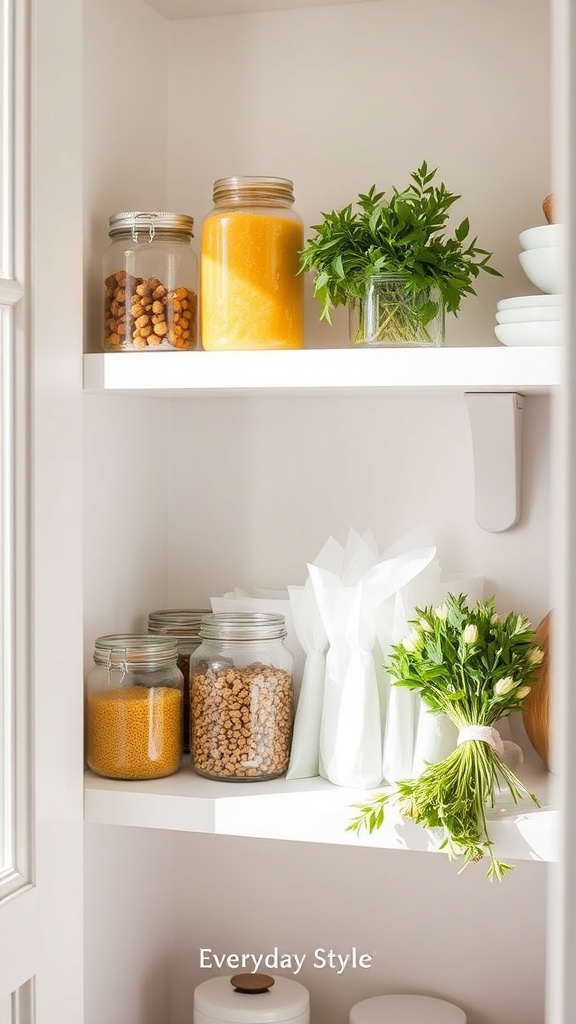
Spring Kitchen Reset — Zero‑Waste Tips for a Greener Pantry

Spring Kitchen Reset — Zero‑Waste Tips for a Greener Pantry
Excerpt (150‑160 chars):
Refresh your pantry this spring with practical zero‑waste habits. Declutter, organize, and adopt reusable solutions to cut food waste and plastic for good.
Hook
Ever opened a pantry only to find a mountain of half‑used jars and crinkly plastic bags staring back at you? It’s the perfect moment to turn that chaos into a clean, sustainable space that actually saves you money.
Why a Spring Kitchen Reset Matters
Spring isn’t just about blooming flowers—it’s the cultural cue for deep home clean‑outs. A greener pantry aligns with the seasonal surge in “zero‑waste” living, reduces food‑related carbon footprints, and lets you start each meal with confidence, not confusion.
How Can You Declutter Without the Stress?
What’s the fastest way to purge expired or unwanted items?
- Grab a flashlight and a timer. Set a 15‑minute alarm and scan each shelf.
- Check dates. Anything past its “best‑by” date by more than six months should go.
- Taste test (if safe). For dry goods like beans or nuts, a quick sniff will tell you if they’re still good.
- Donate responsibly. Pack unopened, non‑perishable items in a clean bag and drop them at a local food bank.
“A tidy pantry is the first step toward a waste‑free kitchen.” — My personal experience after three years of zero‑waste cooking.
How Do I Organize for Zero Waste?
- Group by category. Keep grains, snacks, and canned goods in separate zones.
- Use clear, reusable containers. Glass jars with airtight lids keep spices fresh and let you see exactly what you have.
- Label everything. A simple marker and the date of purchase cut down on forgotten ingredients.
- Adopt the “first‑in, first‑out” rule. Place new items behind older ones so nothing sits stale.
Which Reusable Solutions Replace Plastic the Best?
| Plastic Item | Zero‑Waste Substitute | Why It Works |
|---|---|---|
| Plastic wrap | Beeswax wraps | Reusable, biodegradable, and adds a pleasant scent |
| Single‑use sandwich bags | silicone bags | Dishwasher‑safe, airtight, and last years |
| Disposable zip‑top bags | Reusable zip‑top containers | Transparent, stackable, and sturdy |
| Plastic bottle water | Refillable glass or stainless steel | No micro‑plastics, keeps drinks cold longer |
How Can I Cut Food Waste Every Day?
- Plan meals weekly. A simple spreadsheet or app (like “Mealime”) tells you exactly what to buy.
- Batch‑cook and freeze. Portion leftovers into reusable containers for future meals.
- Create a “scrap bin.” Collect vegetable peels, coffee grounds, and egg shells for compost or DIY broth.
- Use a “pantry inventory” app. Apps like “NoWaste” send reminders when items are nearing expiration.
What Small Swaps Make the Biggest Impact?
- Swap paper towels for a clean kitchen cloth—wash, dry, and reuse.
- Replace plastic produce bags with mesh produce bags or a reusable produce sack.
- Keep a bulk bin for nuts, grains, and dried fruit—bring your own jars to the store.
Takeaway
A spring pantry reset isn’t a one‑time chore; it’s a habit loop that saves money, cuts waste, and makes cooking feel effortless. Start with a quick 15‑minute purge, upgrade to reusable containers, and keep a running inventory. By the end of the season, you’ll have a pantry that’s not only organized but also proudly zero‑waste.
Related Reading
- Eco‑Friendly Tech Upgrades for a Productive Home Office — How sustainable tech can complement a greener kitchen.
- 5 Morning Style Hacks to Cut Decision Fatigue and Save Time — Streamline your mornings, from outfit to breakfast prep.
- Build a Sustainable Work Wardrobe for Under $150 — Extend the zero‑waste mindset beyond the kitchen.
Steps
- 1
Purge expired items and donate
Grab a flashlight, set a timer, check dates, taste test, and donate responsibly.
- 2
Organize with reusable containers
Group items by category, use clear glass jars, label dates, and apply first‑in‑first‑out rule.