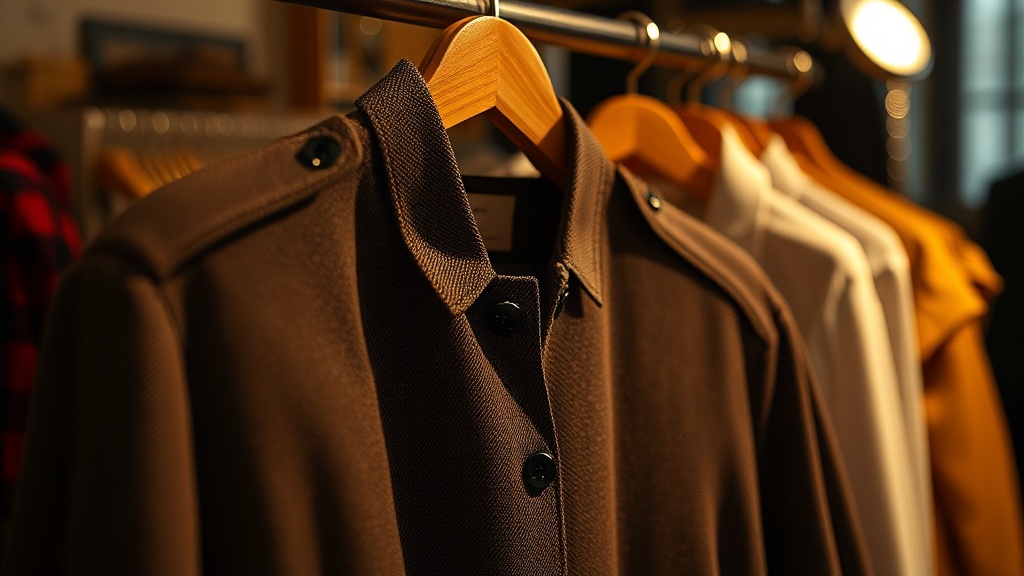
Real Wardrobe ROI: Pinpointing Quality Construction in Every Garment

What are the tell-tale signs of durable fabric?
In an era where the average fast-fashion garment sees just 7 to 10 wears before being cast aside, understanding how to identify true quality in your clothing isn't just smart—it's financially savvy and planet-friendly. This isn't about chasing designer labels or emptying your wallet; it’s about recognizing the characteristics that give clothes real staying power. We'll cut through the noise, showing you precisely how to evaluate fabrics, construction, and fit, ensuring every piece you bring into your closet offers genuine return on investment.
Fabric is the foundation of any garment, and its quality dictates everything from drape and comfort to how well it withstands wear and washing. When you're assessing fabric, don't just feel for softness; look for density and resilience. A loosely woven fabric, even if it's natural fiber, will quickly lose its shape and develop pills. Hold the fabric up to the light—if you can see through it easily, it's likely too thin to be durable. Good quality fabrics, whether cotton, wool, silk, or synthetics, should feel substantial without being stiff. They should have a consistent texture and an even coloration, free from slubs or irregularities (unless, of course, they’re intentionally part of the design, like linen’s natural variations).
Consider the fiber content, too. Natural fibers like wool, cotton, linen, and silk offer breathability and comfort, but their quality varies wildly. Long-staple cottons (like Supima or Egyptian) are far more durable and softer than their short-staple counterparts. Merino wool offers warmth without bulk and resists pilling better than coarser wools. When it comes to synthetics, some blends can introduce strength and stretch, but 100% polyester or nylon, while durable, might lack breathability and can contribute to microplastic pollution. Always check the care label—a garment that requires complex, expensive cleaning might not be practical for your lifestyle, regardless of its initial quality.
Resource Recommendation: For a deeper dive into textile properties and how different fibers behave, sources like the