Quiet Luxury Is "Dead" and I Have Never Cared Less About a Fashion Headline

Quiet Luxury Is "Dead" and I Have Never Cared Less About a Fashion Headline
Every fashion outlet this week is running the same story: quiet luxury is over. Maximalism is back. Bold colors are in. Beige is boring.
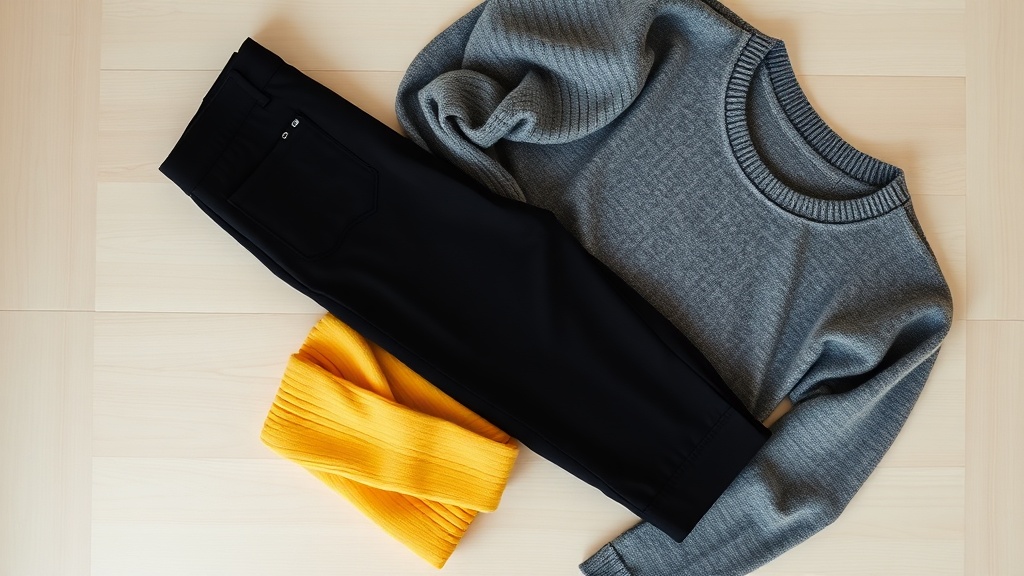
And I'm sitting here in my black cigarette pants and a gray crewneck from Old Navy thinking: cool, this changes absolutely nothing about my Tuesday.
Who Was Quiet Luxury Even For?
Let's be honest about what "quiet luxury" actually was. It was a $3,800 Brunello Cucinelli sweater that looked like something your dad wore to rake leaves. It was $900 Bottega Veneta sandals in "sand." It was rich people wearing expensive things that looked cheap on purpose, and then a bunch of fashion editors telling the rest of us that this was The Way.
The quiet luxury trend was never about you wearing neutrals to work. You were already doing that. You were doing that in 2019, in 2016, and in 2012 when you bought that camel blazer from Banana Republic that still fits. The trend didn't invent neutral dressing. It just put a $4,000 price tag on it and called it a movement.
So when someone tells you quiet luxury is "dead," what they're really saying is: the fashion industry needs you to buy new things now.
The Pendulum Trick (And Why You Should Ignore It)
Here's how the cycle works, every single time:
- Trend emerges. "Minimalism is everything!"
- Everyone buys minimalist stuff.
- Brands run out of ways to sell you beige.
- Trend "dies." "Maximalism is everything!"
- Everyone is told to buy bold stuff.
- Repeat forever.
The pendulum isn't swinging because beige stopped looking good. It's swinging because there's no money in telling you that the clothes you already own are fine. And they are fine. That gray sweater you've been wearing twice a week since October? Still fine. Your navy trousers from Target? Still absolutely fine.
The fashion industry doesn't make money when you're content with what you have. It makes money when you feel like what you have is suddenly wrong.
What's Actually Changing (And What Isn't)
Now, before I sound like I'm telling you to never buy anything colorful again—I'm not. Some of the spring 2026 shifts are genuinely useful to know about:
Proportions are rebalancing. The oversized-everything era is calming down. Straight-leg pants, mid-rise waists, and tops that hit at your natural waist are the move. This is good news if you've been drowning in fabric for three years. You don't need to buy a whole new wardrobe for this—you probably already own pieces with actual shape to them. Pull those back out.
Color is welcome again. Cobalt blue, fuchsia, butter yellow. If you've been wanting to wear something brighter than "oatmeal," this is your moment. But here's my rule: add one piece at a time. A cobalt blouse with your existing black pants. A yellow bag with your gray dress. You don't need to overhaul. You need one accent.
Bags got practical again. Medium crossbodies, soft totes, bags that can actually hold your phone AND your wallet at the same time. This is the one trend shift I'm fully behind, because I've been saying this for months. (If you missed it: The One-Bag Rule. Go read it.)
The Real Math on Trend Chasing
Let me run the numbers on what "keeping up" with trend cycles actually costs.
Say you bought into quiet luxury in 2023. You picked up a few cream-toned basics, a structured bag, some quality neutrals. Let's say you spent $400 total—reasonable for someone shopping at mid-range stores.
Now the trends say go bold. So you buy a cobalt blazer ($65), some statement earrings ($28), a bright crossbody ($45), and a couple of printed tops ($30 each). That's another $198.
In three years, when maximalism "dies" and minimalism comes back, you'll spend another $200-400 replacing the bold stuff with neutrals again.
Or—and hear me out—you could build a base wardrobe of well-fitting neutrals that never go "out" and add exactly one or two seasonal pieces per year when you feel like it. Cost Per Wear on a $32 pair of black pants you wear weekly for two years: $0.31. Cost Per Wear on a $65 cobalt blazer you wear for one trend cycle: $4.06.
The Math never lies.
What I'm Actually Doing This Spring
Since everyone's sharing their spring wardrobe plans, here's mine:
- Keeping: Every single neutral base piece I own. All of them. They didn't expire because a magazine said so.
- Adding: One butter yellow lightweight knit, because I genuinely like yellow and it makes me look less tired on video calls. $28 from H&M.
- Swapping: My winter bag for a slightly larger spring crossbody. I already own it from last year. Cost: $0.
- Ignoring: Every headline that tells me my existing wardrobe is wrong.
Total spring wardrobe update budget: $28.
The Only Fashion Rule That Never Goes Out of Style
Wear what fits. Wear what you already own. Add things because you like them, not because a trend report told you beige is dead.
Quiet luxury isn't dead. Maximalism isn't the future. These are just words that fashion magazines use to sell you the same stuff in a different color. Your actual wardrobe—the one hanging in your actual closet right now—doesn't operate on trend cycles. It operates on whether your pants fit and whether you can get out the door in under ten minutes.
That's it. That's the whole thing.
Now go wear your gray sweater. It looks great.