Make Your Fragrance Last All Day Long

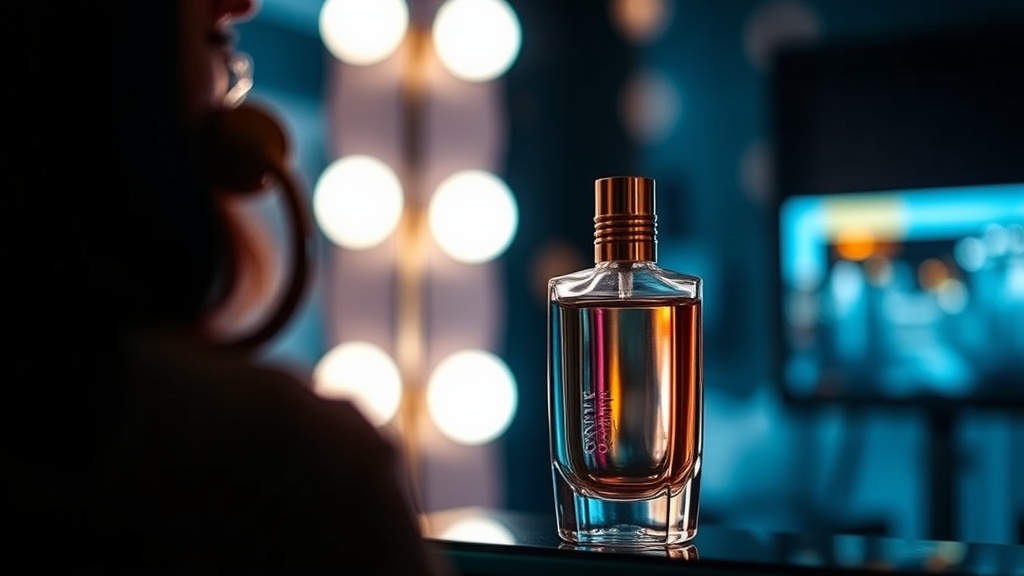
A heavy glass bottle sits on a marble vanity, catching the light. One spray hits the air, a fleeting cloud of sandalwood and vanilla, and then—nothing. Within twenty minutes, the scent has vanished, leaving you wondering if you even applied anything at all. This happens because most people treat perfume like a final step rather than a part of their grooming system. To make a fragrance last, you need to focus on skin preparation, application points, and understanding the chemistry of your scent.
Most women spend far too much on high-end bottles only to find the scent disappears by lunchtime. It's a waste of money. If you're wearing a $200 bottle of Chanel or Dior, you should actually smell it throughout your workday. The problem isn't usually the quality of the perfume; it's the math of how it interacts with your skin and your environment.
How Do I Make Perfume Last Longer on My Skin?
The most effective way to make perfume last is to apply it to hydrated, moisturized skin. Fragrance molecules cling to oil and moisture, so if your skin is dry, it will literally "drink" the scent, causing it to evaporate almost immediately. Think of your skin like a sponge—a dry sponge absorbs liquid instantly, while a damp one holds it on the surface.
Before you even touch your perfume bottle, check your moisturizer. I always recommend using an unscented lotion or a thin layer of petroleum jelly on your pulse points. This creates a physical barrier that prevents the alcohol in the perfume from evaporating too quickly. It’s a simple trick that works better than any expensive "scent-locking" spray you'll find at a department store.
Here is the breakdown of why hydration matters:
- Dry Skin: The alcohol evaporates, taking the scent with it.
- Oily Skin: The natural oils hold the scent longer, but can change the scent profile.
- Hydrated Skin: The moisture acts as an anchor for the fragrance oils.
If you have a specific skincare routine for your body, make sure you aren't using highly scented lotions that clash with your perfume. If you're wearing a delicate silk blouse, you also want to ensure your perfume isn't spraying directly onto the fabric, which can cause staining or oil spots.
Where Should I Apply Perfume for Maximum Impact?
You should apply fragrance to your pulse points, which are areas where your blood vessels are closest to the skin, creating natural heat to help diffuse the scent. The most common spots are the wrists, the neck, and behind the ears. However, there is a common mistake that ruins the longevity of your scent: rubbing your wrists together.
When you rub your wrists together after spraying, you create friction and heat. This heat breaks down the top notes—the initial, lighter scents like citrus or light florals—and forces the perfume to skip straight to the base notes. You're essentially "crushing" the complexity of the fragrance. Instead, spray and let it air dry. It's a small change, but it preserves the structural integrity of the scent.
If you want a subtle "scent trail" (often called sillage) when you walk into a room, consider these placement options:
- The Inner Elbows: The warmth here helps the scent radiate as you move your arms.
- The Back of the Neck: This is perfect for leaving a subtle trail when you walk past someone.
- The Knees: If you're wearing a skirt or shorts, applying scent lower on the body allows the aroma to rise as you move.
Pro-Tip: If you find a scent is too strong or overwhelming, avoid the "spray and pray" method. A single, targeted spray is better than five haphazard ones. It's better to have a scent that stays close to your personal bubble than one that announces your arrival from down the hallway.
What Is the Difference Between Parfum and Eau de Toilette?
The difference lies in the concentration of fragrance oils versus alcohol and water. Understanding these concentrations helps you decide which product to buy based on how much time you need the scent to last. A higher concentration of oils means a longer-lasting scent, but it also usually comes with a higher price tag.
I often see people buying Eau de Toilette (EDT) when they actually need a Parfum or Eau de Parfum (EDP). If you have a long day of meetings or an evening event, an EDT simply won't have the staying power you need. Here is a quick comparison to help you shop smarter:
| Type of Fragrance | Typical Concentration | Longevity | Best Use Case |
|---|---|---|---|
| Eau de Cologne | 2% - 4% | Very Short (1-2 hours) | Post-gym or quick refresh |
| Eau de Toilette (EDT) | 5% - 15% | Moderate (3-5 hours) | Daytime, office-friendly |
| Eau de Parfum (EDP) | 15% - 20% | Long (5-8 hours) | Daily wear, standard events |
| Parfum / Extrait | 20% - 40% | Very Long (8+ hours) | Formal events, evening wear |
When you are looking at the history and chemistry of perfume, you'll see that the base notes—the heavy hitters like musk, amber, or sandalwood—are what provide the longevity. If you want a scent that lasts through a full workday, look for a fragrance that lists these heavy base notes prominently. A citrus-heavy scent will almost always fade faster because citrus molecules are smaller and lighter than wood or spice molecules.
It's a bit like building a wardrobe. You wouldn't rely on a flimsy, single-season cotton top to do the heavy lifting of a winter coat. Similarly, don't rely on a light citrus EDT to last through a heavy winter evening. Match the weight of the scent to the requirements of your day.
How Do I Store My Fragrances Properly?
Store your perfume in a cool, dark, and dry place to prevent the ingredients from breaking down. Light, heat, and humidity are the three biggest enemies of a high-quality fragrance. If you keep your perfume on a sunny windowsill in your bathroom or on a bright vanity, the UV rays and temperature fluctuations will oxidize the oils, making the scent smell "off" or even sour.
I've seen many women complain that their expensive perfume "doesn't smell the same" after a year, only to realize they've been storing it in a humid bathroom. The constant change in temperature from your morning shower can degrade the chemical structure of the scent. If you want your collection to stay pristine, keep them in their original boxes and inside a drawer or a dedicated cabinet. It might not look as pretty as a display on a vanity, but it's the smartest way to protect your investment.
Think of it like your clothing care. Just as you wouldn't leave your silk garments in direct sunlight, don't subject your scents to the same harsh conditions. A stable environment equals a stable scent. This is especially important if you're using high-end brands like Dior or Chanel, where the complexity of the formula is much more sensitive to environmental changes.
When you take care of the "math" of your fragrance—the hydration, the placement, the concentration, and the storage—you aren't just wearing a scent. You're managing a system that ensures you feel polished and present from the moment you walk out the door until you return home.
Steps
- 1
Hydrate Your Skin First
- 2
Apply to Pulse Points
- 3
Avoid the Rubbing Mistake
- 4
Mist Over Hair and Clothes