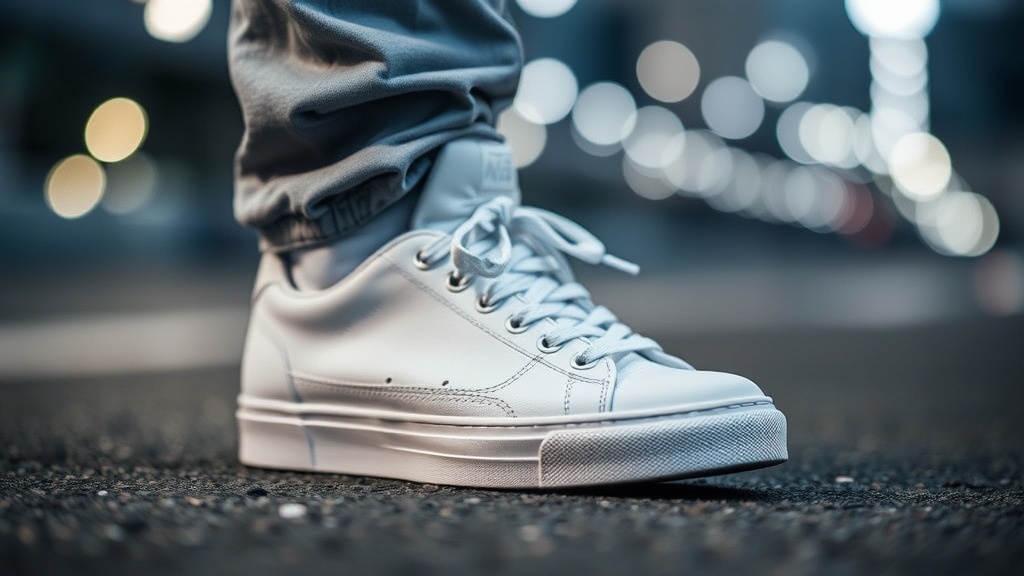
How to Stop Your White Sneakers from Yellowing

A single pair of white leather sneakers can endure up to 500 wears before the structural integrity begins to fail, yet most women discard them prematurely because of unsightly yellow staining. This discoloration isn't just a sign of "wear"; it is a chemical reaction caused by oxidation, sweat, and improper cleaning methods. This guide provides the precise, systematic approach to preventing and reversing yellowing so you can protect your investment in high-quality footwear.
The Science of Why White Sneakers Turn Yellow
Understanding the "why" prevents you from making expensive mistakes. Yellowing typically occurs due to three specific factors: oxidation, residual moisture, and chemical buildup.
Oxidation happens when the materials in your shoes—specifically the adhesives used in the soles and the leather treatments—are exposed to oxygen and UV light. This is why sneakers left in direct sunlight on a porch often develop a yellowish tint. The second factor is moisture. If you wash your sneakers and do not dry them completely, the water trapped in the foam or fabric begins to oxidize as it evaporates, leaving behind a yellow ring. Finally, many people use too much soap or the wrong type of detergent. If a microscopic film of soap remains in the fibers, it will react with your skin's natural oils and turn yellow over time.
Prevention Strategies for Daily Wear
The most efficient way to maintain a crisp look is to prevent the stain from ever forming. This requires a shift from "cleaning when dirty" to "preventative maintenance."
1. Use a Water and Stain Repellent
Before your first wear, apply a high-quality protector spray. I recommend Jason Markk or Crep Protect. These sprays create an invisible, hydrophobic barrier that prevents liquids and dirt from penetrating the surface of the leather or canvas. This is particularly important for canvas shoes like Converse Chuck Taylors, which are highly porous.
2. Manage Moisture with Cedar Shoe Trees
After wearing your sneakers, do not immediately shove them into a dark, cramped closet. Moisture from your feet stays trapped in the interior. Insert cedar shoe trees or even plain crumpled unbleached paper towels to absorb moisture and maintain the shape. This prevents the "yellowing from within" caused by dried sweat salts.
3. The "No Sunlight" Drying Rule
Never dry your white sneakers near a radiator or in direct sunlight. High heat accelerates the breakdown of adhesives and causes the synthetic materials to yellow rapidly. Always air-dry your shoes in a well-ventilated room at room temperature.
How to Clean Different Materials
Not all white sneakers are created equal. Treating a leather Veja the same way you treat a canvas Adidas Stan Smith will lead to damage. Follow these specific protocols based on your material.
Cleaning Leather Sneakers
Leather is much more resilient than canvas, but it is sensitive to excessive water. Use a dedicated sneaker cleaning kit, such as the Jason Markk cleaning kit, which includes a soft-bristle brush and a pH-neutral solution.
- Dampen, don't soak: Dip the brush in the solution and shake off excess water. You want a damp brush, not a dripping one.
- Circular motions: Use small, circular motions to lift dirt from the pores of the leather.
- Wipe immediately: Use a clean microfiber cloth to wipe away the suds immediately. Do not let the soap sit on the leather, as this causes the chemical reaction that leads to yellowing.
Cleaning Canvas Sneakers
Canvas is more absorbent and requires a more thorough drying process. Because canvas is a fabric, it is prone to "water rings" if not dried correctly.
- The Baking Soda Paste: For stubborn stains on canvas, mix one tablespoon of baking soda with one tablespoon of white vinegar and a small amount of water to create a paste.
- Application: Apply the paste to the stained area and let it sit for 15 minutes.
- The "Paper Towel Method": This is the most important step for canvas. After rinsing the paste away, cover the entire shoe (including the edges) with white paper towels. Press the paper towels firmly against the damp fabric. As the shoe dries, the paper towels will "wick" the remaining moisture and any residual yellow tint out of the fabric and into the towel.
Cleaning Rubber Soles
The edges of your soles are often the first place to show discoloration. This is usually "scuffing" or "oxidation." For the rubber edges, a Magic Eraser (Melamine Sponge) is the most effective tool. Dampen the sponge and rub the edges of the sole in a steady motion. This physically removes the top layer of oxidized rubber to reveal the bright white underneath.
Emergency Troubleshooting: Removing Existing Yellow Stains
If your sneakers have already turned yellow, you need to act quickly. These methods are for light to moderate discoloration only.
The Toothpaste Method: Use a plain white paste toothpaste (avoid gels or colored varieties like Crest Gum Detoxify). Apply a small amount to an old toothbrush and scrub the yellowed areas. The mild abrasives in the toothpaste can lift surface stains without the harshness of bleach.
The Lemon Juice and Sunlight Method (Use with Caution): While I generally advise against sunlight, a very controlled amount of UV can sometimes help bleach organic stains. Mix lemon juice with water, apply it to the area, and place the shoes in a bright, indirect light for no more than 30 minutes. Monitor them closely; if they stay out too long, the heat will actually accelerate the yellowing of the glue.
Warning on Bleach: Avoid using household bleach on your white sneakers. While it seems intuitive, bleach is highly alkaline. If it is not 100% rinsed out, it will react with the fibers and create permanent, bright yellow stains that are impossible to remove. It is much better to use a specialized oxygen bleach like OxiClean diluted in water.
The Maintenance Checklist
To ensure your footwear remains a staple in your wardrobe, follow this monthly maintenance routine:
- Weekly: Wipe down leather surfaces with a damp microfiber cloth to remove dust.
- Monthly: Check the rubber soles for scuffs and use a Magic Eraser to refresh the edges.
- Seasonally: Re-apply your water-repellent spray to maintain the protective barrier.
A high-quality wardrobe is built on the longevity of your pieces. Just as you wouldn't ignore makeup that looks cakey and unpolished, you shouldn't allow your footwear to look neglected. By treating your sneakers with the same precision you apply to your skincare or professional attire, you ensure they remain a crisp, bright element of your daily uniform.
Steps
- 1
Remove Laces and Dust
- 2
Apply a Gentle Cleaning Solution
- 3
Dry Thoroughly Away from Sunlight
- 4
Use a Protective Spray