
How to Build a 10-Minute Morning Outfit System (That Actually Works)

The Math: If you spend 20 minutes deciding what to wear every morning, that’s 121 hours a year. That’s three full work weeks… standing in your underwear, annoyed.
This isn’t about "fashion." This is about getting your brain back before 9:00 AM. We’re building a system so you can grab, put on, and walk out the door in under 10 minutes—without looking like you gave up.

Step 1: Audit What You Actually Wear (Not What You Wish You Wore)
Open your closet. Now ignore 70% of it.
The pieces you actually wear? They’re probably:
- Machine washable
- Comfortable sitting for 8+ hours
- Not fussy (no weird straps, no constant adjusting)
Wait, look at the pattern: You’re already telling yourself what works. You just haven’t systemized it.
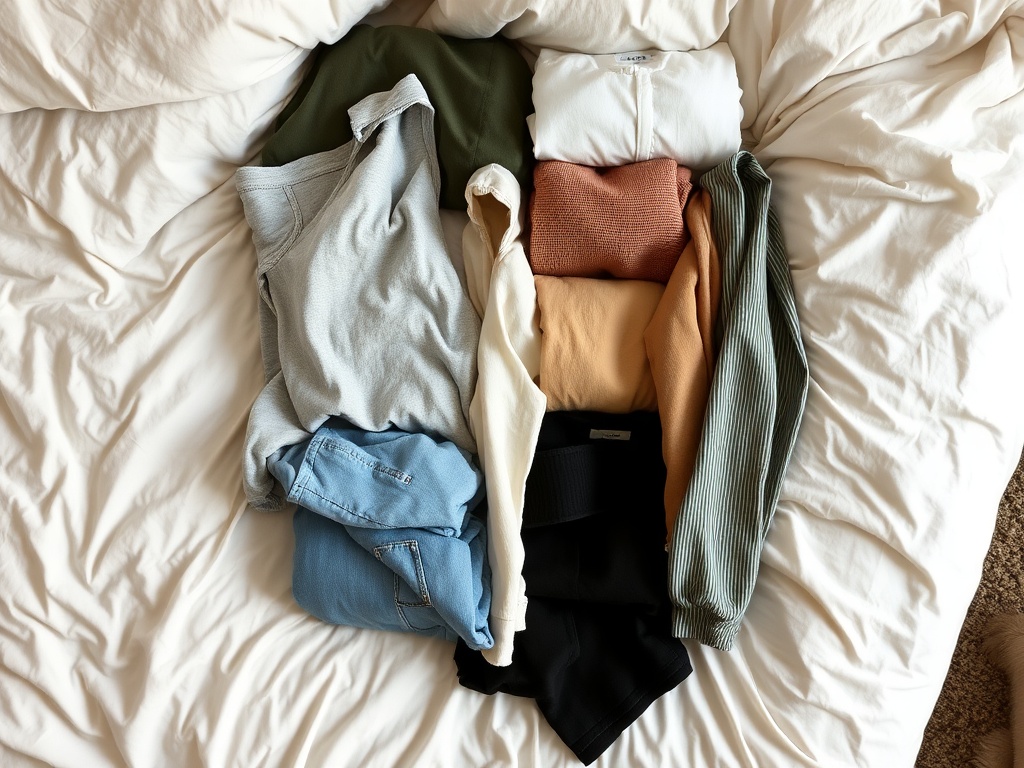
Pull out your top 10 repeat items. These are your "anchors." Everything else is noise until proven useful.
Step 2: Build 3 Go-To Outfit Formulas
You don’t need more clothes. You need fewer decisions.
Here are three formulas that pass the Real Life Test:
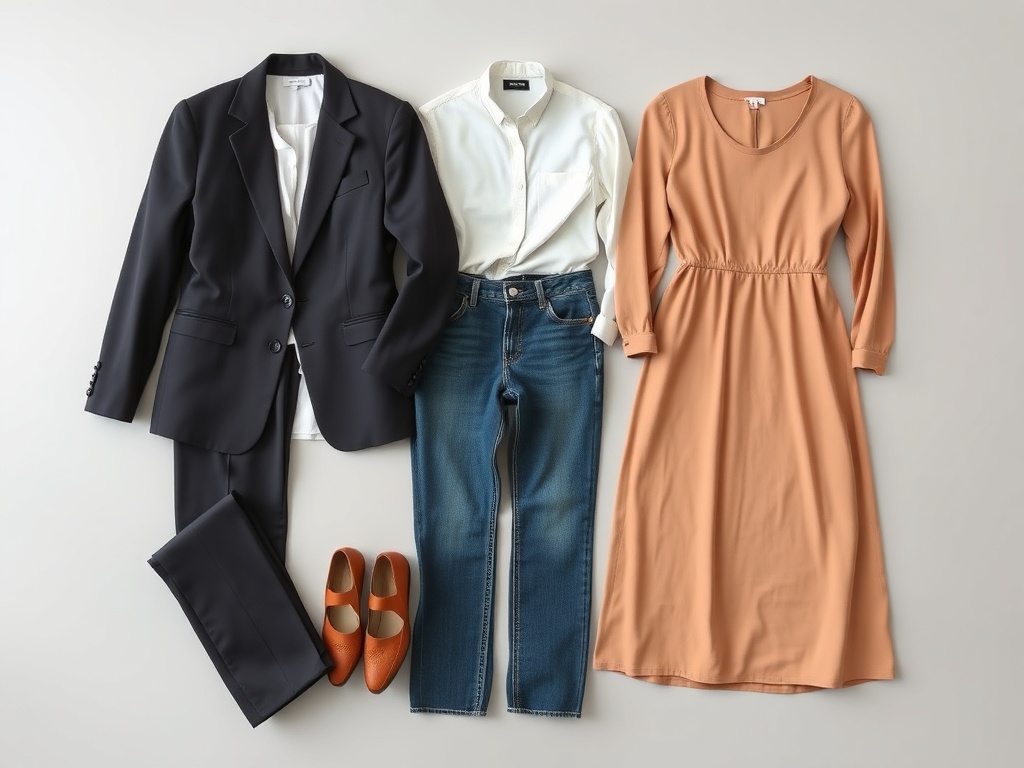
- Formula 1: Structured top + relaxed trousers + flat shoes
- Formula 2: Knit top + straight-leg jeans + third piece (blazer or cardigan)
- Formula 3: Simple dress + layer + practical shoes
That’s it. You rotate within these.
The Math: 3 formulas × 5 variations each = 15 outfits. That’s three work weeks handled.
Step 3: Lock in Your “Third Piece” (Your Emergency Fix)
If an outfit feels off, it’s usually missing structure.
The fix is your third piece:
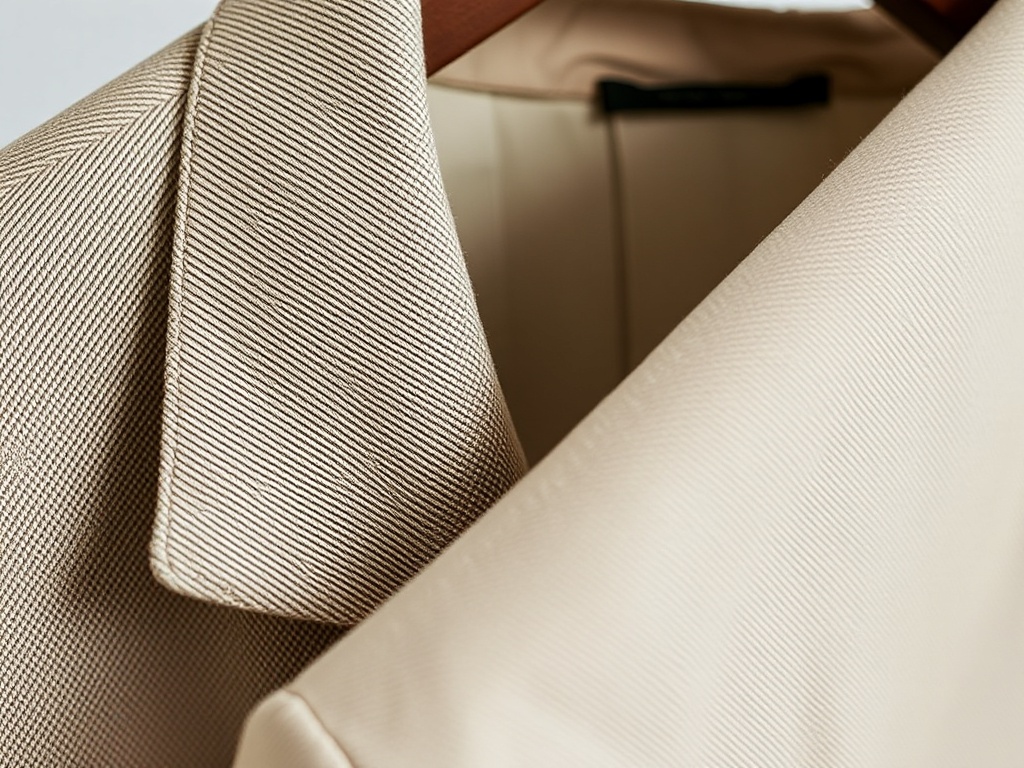
- Blazer (most powerful)
- Cardigan (most forgiving)
- Denim jacket (most casual)
Wait, look at the difference: The same t-shirt and pants go from "I tried" to "I have my life together" with one layer.
Pick ONE that works with 80% of your closet. That’s your daily default.
Step 4: Standardize Your Bottoms (This Is Where Most People Mess Up)
You don’t need five different fits. You need one that works every time.
Find:
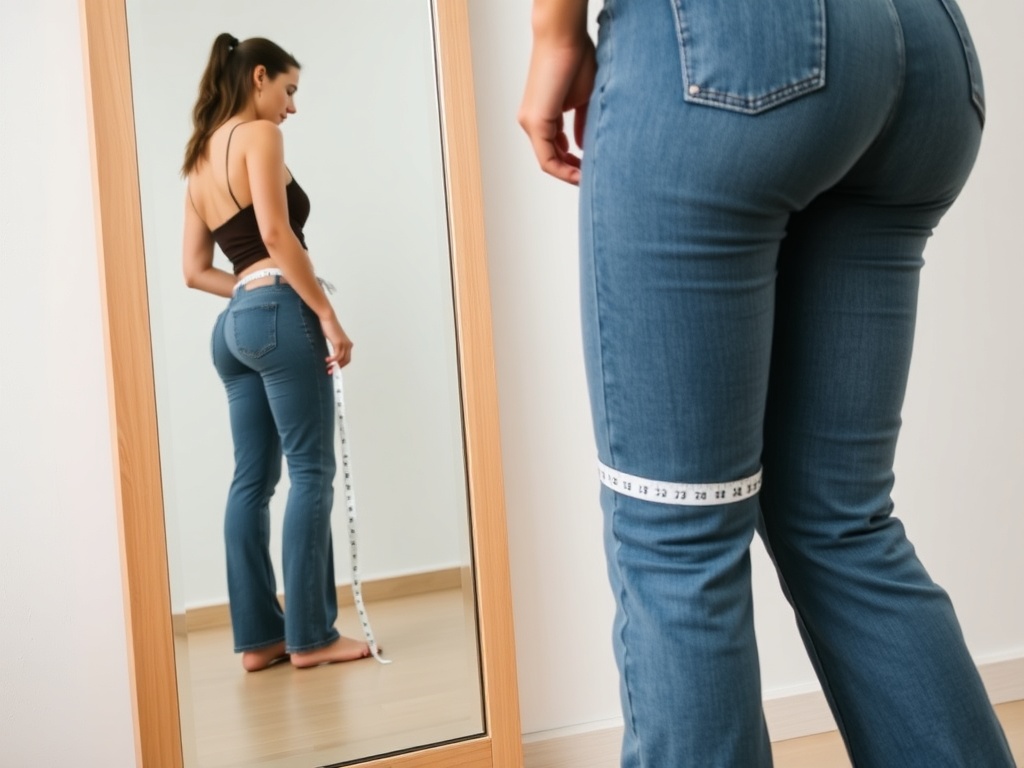
- Your ideal rise (mid-rise usually wins for comfort)
- Your exact inseam (this is non-negotiable)
- A fabric that doesn’t wrinkle by noon
The Math: One perfect pair worn 2x/week = 100+ wears/year. That’s real value.
If you’re constantly adjusting, pulling, or thinking about your pants—they failed. Replace them.
Step 5: Create a “Grab Zone” in Your Closet
This is where the system becomes automatic.
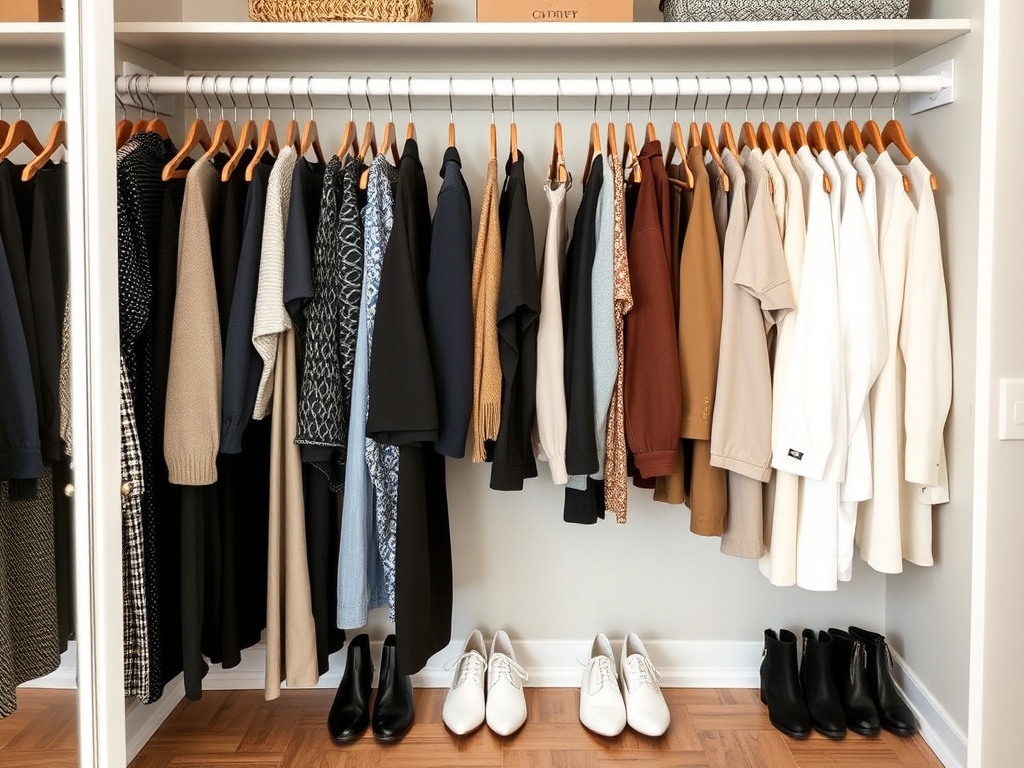
Dedicate one section of your closet to:
- 5 tops
- 3 bottoms
- 1–2 layering pieces
No extras. No distractions.
Everything in this zone works together. You could get dressed in the dark and still look put-together.
Step 6: Eliminate High-Maintenance Clothing
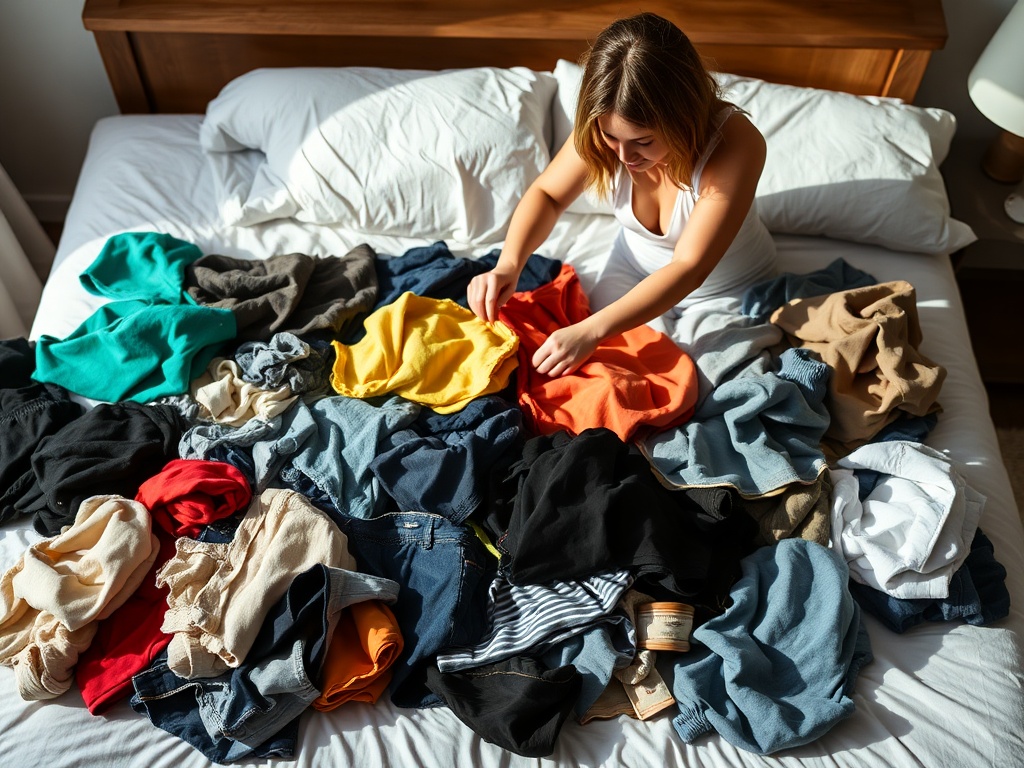
Here’s the rule: if it slows you down, it’s gone.
Remove anything that:
- Needs ironing every wear
- Requires special bras
- Can’t survive a normal wash cycle
Yes, even if it was expensive.
Wait, look at the reality: Expensive clothes that sit unworn have a cost-per-wear of zero. That’s the worst deal in your closet.
Step 7: Pre-Decide Your Weekly Rotation
You don’t need a full outfit plan. Just remove friction.
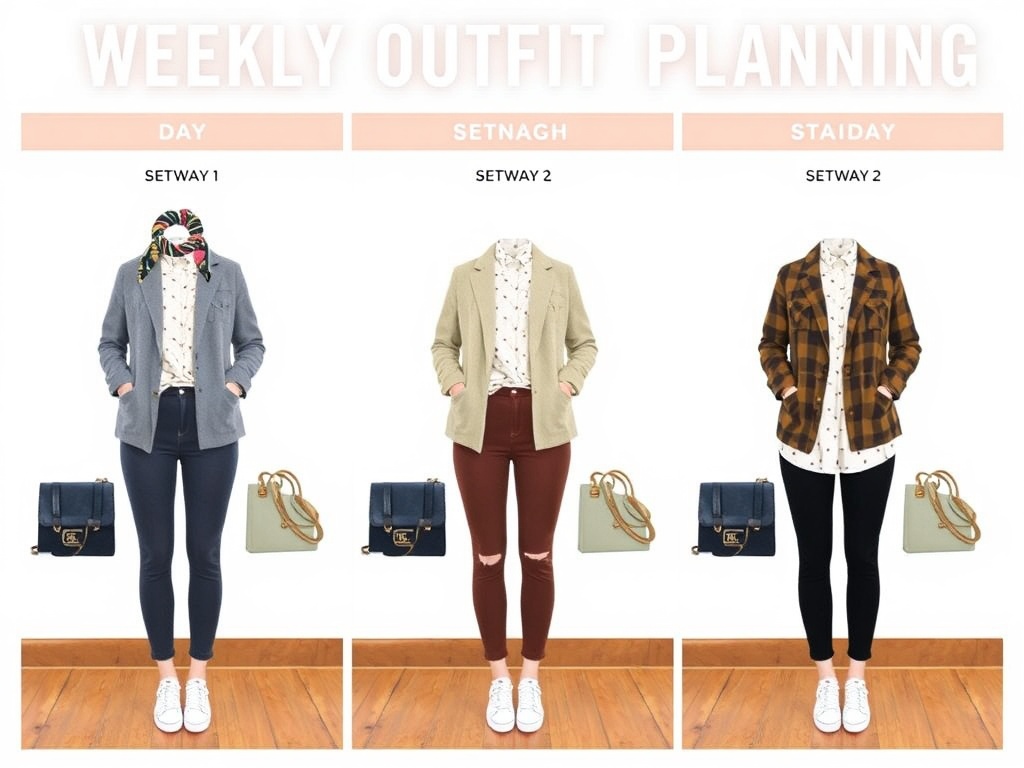
Pick:
- 2 go-to tops
- 1 reliable bottom
- 1 layering piece
Repeat them intentionally.
No one notices repetition. They notice when you look uncomfortable.
Step 8: Lock in Shoes That Don’t Require Thinking
Shoes ruin more outfits than anything else.
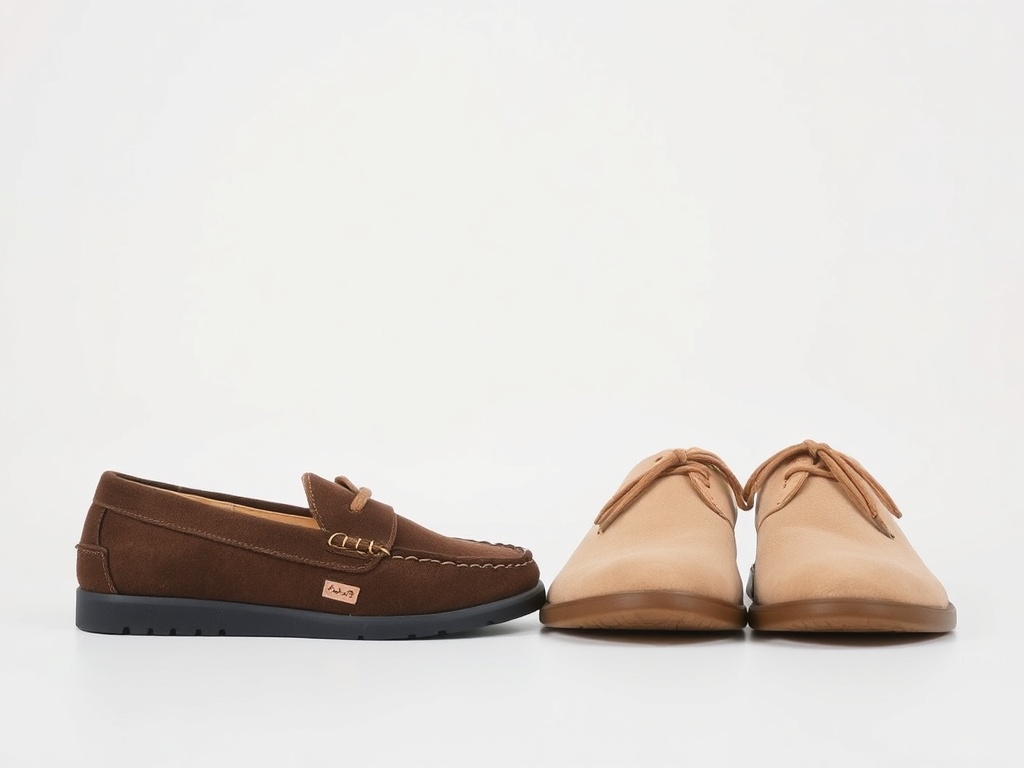
You need two pairs:
- One workhorse neutral (black, tan, or white)
- One backup pair that feels identical on your feet
If they hurt by 10:00 AM, they’re out. No exceptions.
Step 9: Build a 30-Second Check Routine
Before you leave:
- Is anything pulling or riding up?
- Do I have pockets? (yes, this matters)
- Can I sit, walk, and move comfortably?
If the answer is no, swap immediately. Don’t negotiate with bad clothes.

Step 10: Repeat Until It’s Boring (That’s the Goal)
The goal isn’t variety. It’s reliability.
When your outfits feel "boring," what you’re actually feeling is consistency. That’s what frees up your brain for everything else.
The Math: Fewer decisions = more energy. More energy = better days.
That’s the system.
You don’t need more clothes. You need better defaults.
Build the system once, and your mornings stop being a problem.
Go get ’em.
Steps
- 1
Audit What You Actually Wear
- 2
Build 3 Go-To Outfit Formulas
- 3
Lock in Your Third Piece
- 4
Standardize Your Bottoms
- 5
Create a Grab Zone
- 6
Eliminate High-Maintenance Clothing
- 7
Pre-Decide Your Weekly Rotation
- 8
Lock in Shoes
- 9
Build a 30-Second Check
- 10
Repeat Until It’s Boring