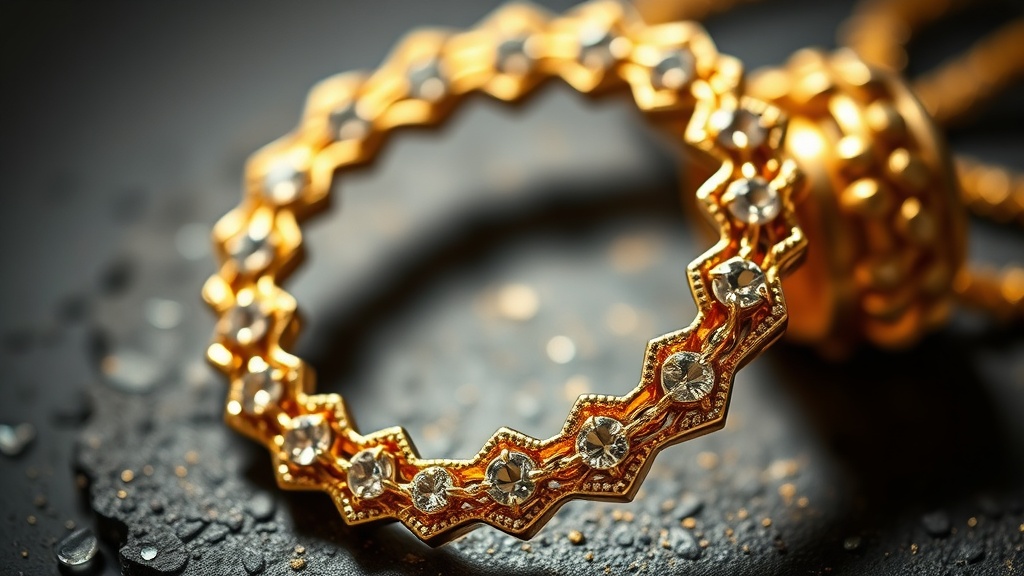
Fix Your Jewelry Tarnish and Keep Your Gold Shining

You will learn how to identify the causes of jewelry tarnishing, how to clean different metal types safely, and how to store your pieces to prevent oxidation. This isn't about buying more jewelry; it's about protecting the investment you've already made in your personal style. Most women treat jewelry as an afterthought, but a little bit of maintenance ensures your gold doesn't turn your skin green or look dull and cheap.
Jewelry tarnish happens when metals react with oxygen, moisture, or chemicals in your environment. It’s a chemical reaction, plain and simple. If you've ever pulled a necklace out of a drawer only to find it looks dull or even slightly black, you aren't dealing with a "bad" piece of jewelry—you're dealing with oxidation. Understanding the science of your accessories means you can stop replacing things and start maintaining them.
Why Does My Gold Jewelry Turn Black?
Gold jewelry turns black or dull because of a chemical reaction called oxidation, often triggered by exposure to sulfur, moisture, or skin oils. While high-karat gold (like 18k or 24k) is very stable, lower-karat gold or gold-plated jewelry is much more reactive. The "gold" you see is often a thin layer of gold over a base metal like brass or copper. When that layer wears thin or reacts with the environment, the base metal underneath begins to oxidize.
There are a few common culprits that speed up this process:
- Humidity: Storing jewelry in a damp bathroom is a recipe for disaster.
- Perfumes and Lotions: If you spray your perfume after putting on your necklace, you're essentially coating your jewelry in chemicals that eat away at the finish.
- Skin pH: Everyone's skin chemistry is different. Some people have more acidic sweat, which can cause jewelry to tarnish much faster.
- Chlorine: Swimming pools are high in chemicals that can strip the luster off even the most expensive pieces.
Think of it like your wardrobe. You wouldn't wash a silk blouse with a heavy-duty abrasive cleaner, right? Treat your jewelry with the same level of care. It's about the math of longevity. A $50 gold-vermeil necklace from a brand like Mejuri can last years if you treat it right, but it will look like junk in three months if you wear it in the shower every day.
How Do I Clean Gold Jewelry Safely?
The safest way to clean gold jewelry at home is by using warm water, a mild dish soap, and a soft-bristled brush. You must tailor your cleaning method to the specific type of jewelry you own, as using the wrong technique can permanently damage delicate stones or plating.
Here is a breakdown of how to handle different types of "gold" pieces:
| Jewelry Type | Recommended Method | What to Avoid |
|---|---|---|
| Solid Gold (14k/18k) | Warm water, mild soap, soft toothbrush. | Ultrasonic cleaners (if stones are soft). |
| Gold Vermeil/Plated | Soft microfiber cloth and lukewarm water. | Abrasive pastes or heavy scrubbing. |
| Gold Filled | Gentle wiping with a damp cloth. | Chemical dips or harsh cleaners. |
If you have a stubborn piece of solid gold, a soak in a solution of mild dish soap and warm water is usually enough. For a more intense clean, some people use a mixture of baking soda and water to create a paste, but be extremely careful. Abrasive pastes can create microscopic scratches on the surface of the metal. If you're working with high-end pieces, I always suggest checking the official properties of gold and its alloys to ensure your cleaning agent won't cause a reaction.
One thing to remember: if your jewelry has pearls or organic gemstones (like turquoise or opal), do not use any liquid cleaning methods. These stones are porous and can be ruined by water or soap. For those, a simple wipe with a dry, soft cloth is the only way to go.
What Are the Best Ways to Store Jewelry?
The best way to store jewelry is in a cool, dry, and airtight environment, ideally in a dedicated jewelry box or individual airtight pouches. Separating your pieces is also vital because different metals can react with one another when touching.
I see so many women keeping their jewelry in a "catch-all" bowl on the nightstand. While it's easy, it's also where jewelry goes to die. When pieces rub against each other, they scratch. When they sit out in the open air, they oxidize. To keep your collection looking fresh, follow these rules:
- The "Last On, First Off" Rule: This is my golden rule for jewelry. Your jewelry should be the very last thing you put on in the morning (after perfume and hairspray) and the very first thing you take off at night.
- Individual Storage: Use small fabric pouches or even small-sized Ziploc bags to keep pieces separate. This prevents the "clink" that leads to scratches.
- Avoid the Bathroom: As mentioned, humidity is the enemy. A jewelry box in a bedroom or a dry closet is much better than a tray on the bathroom vanity.
- Silica Packets: You know those little packets that come in shoe boxes or new handbags? Don't throw them away. Drop one or two into your jewelry box to absorb excess moisture.
If you are someone who travels often, don't just throw your necklaces into a pile in your suitcase. That's how you end up with a tangled knot that takes an hour to untangle (and often breaks the clasp in the process). Use a dedicated travel jewelry organizer. It’s a small investment that saves you from the frustration of ruined accessories.
When you're building a practical wardrobe, you're looking for pieces that work hard for you. The same applies to your accessories. A well-maintained set of gold hoops can work with a white t-shirt and denim or a black dress. But if they're tarnished and dull, they drag the whole look down. It’s not about the price tag; it’s about the upkeep.
If you’re looking to refine your overall look, you might also be interested in how to coordinate your accessories with your clothing. You can check out my guide on how to use scarves to enhance your style to see how different textures and colors play together. Just as you'd care for your jewelry, a little attention to detail with your scarves can make a massive difference in how "put-together" you appear.
The goal is to have a collection of pieces that look as good as the day you bought them. Whether you're wearing a vintage heirloom or a trendy piece from a high-street brand, the rules of chemistry remain the same. Protect your gold, keep it dry, and treat it like the part of your style system that it is.