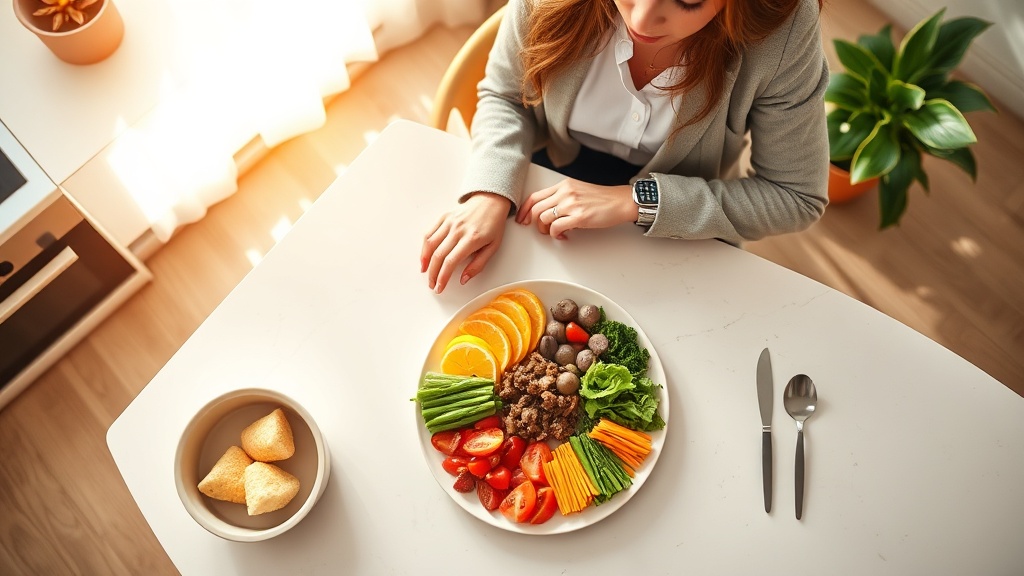
Bio‑Harmony: 10 2026 Lifestyle Trends for Rhythm‑Aligned Eating

Should I eat a bigger breakfast or a smaller dinner?
Can a “mid‑day reset” snack improve focus?
Is fasting after sunset beneficial?
Should I match meals to my personal chronotype?
How do “light‑rich” foods affect my rhythm?
Can I still enjoy coffee?
Does meal sequencing matter?
Are “bio‑harmony” meal kits the future?
How does hydration fit in?
Can I track Bio‑Harmony with tech?
What if your meals could tune your body like a perfectly timed playlist? In 2026, the hottest lifestyle trend isn’t a new sneaker drop—it’s Bio‑Harmony, the science‑backed practice of eating in sync with your own circadian rhythm.
From boardrooms to brunches, busy professionals are craving practical ways to feel more energetic without expensive supplements. Aligning food intake with the body’s internal clock promises better sleep, sharper focus, and even weight‑management benefits—exactly the kind of low‑cost, high‑impact hack my “Friends” love.
What is Bio‑Harmony and why does it matter now?
Bio‑Harmony blends chronobiology (the study of biological rhythms) with nutrition. Your body’s clock runs on a roughly 24‑hour cycle, dictating hormone release, metabolism, and alertness. Eating at times that complement these natural peaks can boost energy and curb cravings. Recent research from the Nature journal (2025) shows a 12% increase in insulin sensitivity when meals are timed with peak cortisol levels.
Top 10 Bio‑Harmony Lifestyle Trends for 2026
1. Should I eat a bigger breakfast or a smaller dinner?
Studies indicate that consuming the majority of calories before noon aligns with the body’s highest metabolic rate. Try a protein‑rich breakfast—think Greek yogurt, nuts, and berries—and keep dinner light (vegetables, lean protein). This shift can improve sleep quality by reducing late‑night insulin spikes.
2. Can a “mid‑day reset” snack improve focus?
Between 10 am and 2 pm, cortisol peaks, priming you for mental work. A balanced snack of complex carbs and healthy fats—like an apple with almond butter—feeds the brain without causing a sugar crash. Leverage natural light during this window for an extra boost.
3. Is fasting after sunset beneficial?
Time‑restricted eating (TRE) that ends before dark mimics ancestral eating patterns. A 14‑hour fast after your last evening meal can enhance melatonin production, leading to deeper sleep. Start with a 12‑hour fast and adjust based on how you feel.
4. Should I match meals to my personal chronotype?
Not everyone is a “morning lark.” If you’re an “evening owl,” shift your larger meals later, but still respect the 4‑hour rule: no heavy meals within two hours of bedtime. Use a simple questionnaire (e.g., Sleep Foundation) to discover your natural peak times.
5. How do “light‑rich” foods affect my rhythm?
Foods high in tryptophan—like turkey, pumpkin seeds, and bananas—can promote melatonin synthesis. Pair them with a small serving of complex carbs after sunset to cue your body for rest.
6. Can I still enjoy coffee?
Yes, but timing matters. Limit caffeine to before 2 pm to avoid interference with nighttime melatonin. Opt for a cold‑brew with low acidity to reduce cortisol spikes.
7. Does meal sequencing matter?
Start meals with fiber (salad, veggies) then add protein, and finish with healthy fats. This order stabilizes blood sugar and supports the gut‑brain axis, which influences circadian signaling.
8. Are “bio‑harmony” meal kits the future?
Several startups now offer pre‑portioned kits timed for optimal nutrient absorption. Look for kits that label “Morning Boost” or “Evening Calm.” They’re a convenient bridge between theory and practice.
9. How does hydration fit in?
Water intake peaks in the morning and tapers off by evening. Add a pinch of sea salt to your morning water to support adrenal function, and switch to herbal tea after 6 pm to stay hydrated without disrupting sleep.
10. Can I track Bio‑Harmony with tech?
Wearables now include “Metabolic Clock” features that suggest optimal eating windows based on heart‑rate variability and sleep data. Brands like Oura and WHOOP release quarterly updates—keep your firmware current.
What’s my next step?
Start simple: pick one of the ten tips, apply it for a week, and log how you feel. Notice any changes in energy, focus, or sleep? If the results are positive, layer on another tip. Bio‑Harmony isn’t a strict regiment; it’s a flexible system that adapts to your life—exactly the kind of practical, cost‑transparent strategy I champion at Everyday Style.
Remember, the math behind your meals matters just as much as the price tag.
Related Reading
- Bio‑Harmony Basics: Sync Your Life with Your Circadian Rhythm — A deep dive into the science behind the trend.
- 5 Morning Style Hacks to Cut Decision Fatigue — Pair these hacks with a rhythm‑aligned breakfast for maximum efficiency.
- Daylight Saving Fitness — Leverage extra evening light while respecting your eating window.