Bio-Harmony Eating: Align Meals with Your Circadian Rhythm

Hook
Ever felt groggy after breakfast or sluggish before bedtime, no matter how "healthy" your meals are? The missing piece might be when you eat, not what you eat. Aligning your meals with your body’s internal clock – a practice I call bio‑harmony eating – can boost energy, improve metabolism, and make the spring daylight shift feel like a gift rather than a disruption.
Context
Spring 2026 brings longer days, more sunshine, and the annual daylight‑saving time change. It’s the perfect moment to reset your eating schedule to match the natural rise and fall of light. Recent health news highlights bio‑harmony as a cornerstone of age‑defying wellness, with experts urging people to consider meal timing alongside nutrition.
What Is Bio‑Harmony Eating and Why Does It Matter?
Bio‑harmony eating is the practice of syncing your meals with your circadian rhythm – the 24‑hour internal clock that regulates sleep, hormone release, and metabolism. When your eating window aligns with daylight, your body processes food more efficiently, supporting weight management, heart health, and even skin vitality.
"Achieving synchronization between the central and peripheral body clocks is essential for ensuring optimal metabolic function" – Chrononutrition review, MDPI [source].
How Does Light Influence Your Food Clock?
Light is the master cue for the suprachiasmatic nucleus (SCN), the brain’s time‑keeper. Morning sunlight tells the SCN to cue cortisol, which ramps up metabolism and prepares you for the day’s first meal. Evening light, especially blue light from screens, can delay melatonin release, pushing back hunger cues and making late‑night snacking more likely.
Practical tip: Open your curtains as soon as you wake and spend at least 15 minutes in natural light before breakfast. If sunrise is still dark, a light‑therapy box (5,000 lux) can simulate the effect.
Which Meals Should You Shift, and By How Much?
1. Breakfast – The Sunrise Starter
- When: Within 1 hour of waking, ideally before 9 a.m.
- Why: Early protein spikes insulin modestly, supporting muscle repair and satiety.
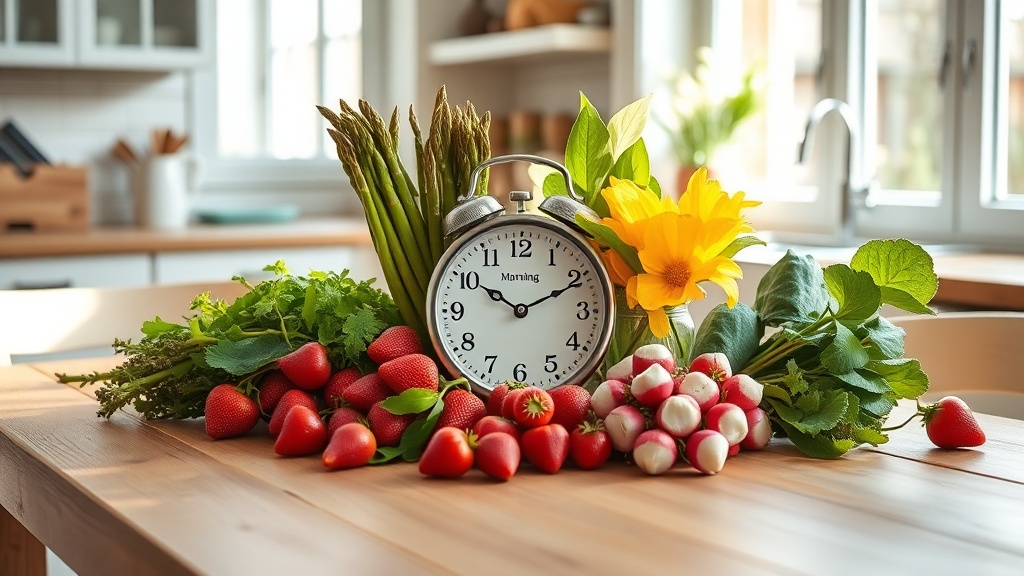
- Seasonal foods: Asparagus, strawberries, and fresh herbs – all at their peak in spring.
2. Lunch – Mid‑Day Fuel
- When: 4‑6 hours after breakfast, roughly between 12 p.m. and 2 p.m.
- Why: Keeps blood‑sugar stable and prevents the afternoon energy dip.
- Seasonal foods: Pea shoots, radishes, and spring greens tossed in a light vinaigrette.
3. Dinner – Light‑Closing Meal
- When: Finish at least 3 hours before bedtime. A recent study found that stopping food three hours before sleep improved blood pressure and heart rhythm in at‑risk adults [ScienceDaily].
- Why: Allows your digestive system to wind down, letting melatonin rise unimpeded.
- Seasonal foods: Roasted carrots, baby potatoes, and a sprinkle of fresh mint.
How Does Daylight‑Saving Time Affect Your Rhythm?
The clock jump adds an extra hour of evening light. Use it to extend your post‑dinner walk or a gentle yoga session, reinforcing the light cue for melatonin production. For a deeper dive on leveraging extra evening light, see our guide on Daylight Saving Fitness.
What About Snacks?
If you need a snack, keep it light and early. A handful of almonds or a piece of fruit before 3 p.m. works best. Late‑night cravings often stem from misaligned hormones; a warm herbal tea (chamomile or lemon balm) can curb the urge without adding calories.
How to Track Your Bio‑Harmony Progress
- Set a consistent wake‑up time (even on weekends).\
- Log meal times in a simple spreadsheet or phone app.\
- Note energy levels after each meal – you’ll start seeing patterns.\
- Adjust by shifting meals 15 minutes earlier or later until you hit a sweet spot.
What If My Schedule Is Irregular?
Busy professionals often face erratic days. In those cases, aim for two anchor meals (breakfast and dinner) that stay consistent, and allow flexibility for lunch. Even partial alignment can yield measurable benefits.
How Does Bio‑Harmony Fit Into a Sustainable Lifestyle?
When you pair circadian‑aligned eating with eco‑friendly food choices – like locally‑sourced, seasonal produce – you’re not only optimizing your health but also reducing food miles and waste. It’s a win‑win for you and the planet.
Takeaway
Spring is nature’s invitation to reset. By timing your meals around sunrise, keeping dinner light and early, and soaking up daylight, you’ll harness the power of your circadian rhythm for better energy, metabolism, and overall wellness. Start tomorrow: open those curtains, set a breakfast alarm, and let the season guide your plate.
Related Reading
- Bio‑Harmony Basics: Sync Your Life with Your Circadian Rhythm – A deep dive into the science behind circadian health.
- Daylight Saving Fitness: 6 Steps to Leverage Extra Evening Light – Turn the extra hour into a wellness boost.
- 5 Morning Style Hacks to Cut Decision Fatigue and Save Time – Streamline your mornings for a smoother start to bio‑harmony eating.
FAQ
{
  "meta": {
    "faqs": [
      {"question": "What is the ideal eating window for bio‑harmony?", "answer": "Aim for a 10‑12‑hour window, eating breakfast within an hour of waking and finishing dinner at least three hours before bed."},
      {"question": "Can I still enjoy coffee?", "answer": "Yes, but limit it to before 2 p.m. and avoid adding sugar that spikes insulin late in the day."},
      {"question": "Do I need a light‑therapy box?", "answer": "Only if you struggle to get natural morning light during winter; spring’s daylight usually makes it unnecessary."}
    ]
  }
}