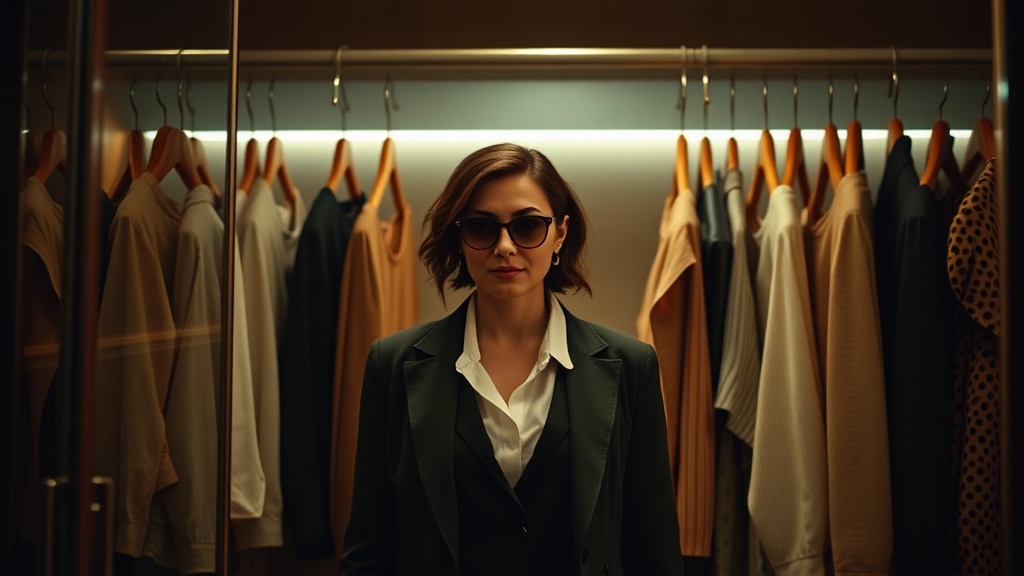
5 Timeless Wardrobe Staples Every Woman Needs in Her Closet

The Classic White Button-Down Shirt
The Tailored Blazer
The Perfect Pair of Jeans
The Little Black Dress
The Versatile Trench Coat
This post breaks down five classic wardrobe pieces that form the backbone of a practical, confident closet—and explains why these items save money, time, and morning stress. Instead of chasing fleeting trends or stuffing drawers with "maybe someday" purchases, you'll learn how a small collection of high-quality staples creates dozens of polished outfits with almost zero effort. Whether the goal is simplifying daily dressing, cutting the clothing budget in half, or simply feeling more put-together walking out the door, these staples deliver results that outlast any seasonal collection.
What are the timeless wardrobe staples every woman needs?
The answer is simple: a perfect white t-shirt, well-fitting denim, a tailored blazer, a versatile little black dress, and quality neutral footwear. These five pieces work across seasons, settings, and personal styles—and they're the foundation upon which every great outfit gets built. They don't demand attention, but they make everything else in the closet work harder.
1. The Perfect White T-Shirt
It sounds basic. That's the point. A crisp white tee—think the Hanes Perfect-T or Everlane's Organic Cotton Box-Cut Tee—pairs with jeans, slips under blazers, and even looks intentional with a midi skirt. The trick isn't the price tag; it's the fit. Too tight and it reads as an undershirt. Too boxy and it swallows the frame. Look for cotton with a bit of weight—nothing sheer, nothing that turns see-through after three washes.
Here's the thing: most women own at least three white t-shirts, yet only one actually gets worn. That's because fit matters more than quantity. A $18 tee that hits at the hip and has sleeves that stop mid-bicep will get more use than a $120 version that's cut too long or too cropped. The shoulder seam should sit exactly at the shoulder bone. The neckline shouldn't gape when bending over. Wash in cold water, skip the dryer when possible, and plan to replace every twelve to eighteen months. Even the best cotton breaks down with regular wear.
A white t-shirt also acts as a reset button. When an outfit feels too fussy—too many colors, too many layers, too much jewelry—a white tee underneath simplifies the whole look. It bridges the gap between casual and polished in a way no other single item can.
2. Well-Fitting Denim
Jeans are the workhorse of any wardrobe. Whether that's the Levi's 501 Original Fit, AGOLDE '90s Pinch Waist, or a dark-wash straight leg from Madewell, the goal is always the same: they should feel comfortable sitting down and still look polished standing up. Denim that digs into the waist, bags at the knees, or requires constant hitching up isn't doing its job.
Dark indigo reads as more formal than light wash. Raw or minimally distressed denim transitions easily from weekend brunches to casual Fridays. That said, trends come and go—flare legs one season, wide legs the next—but a mid-rise straight leg has held steady for decades. It flatters more body types than ultra-low-rise or extremely high-waisted cuts, and it tucks neatly into boots without bunching.
When in doubt, Nordstrom offers free tailoring with many denim purchases, which is often the difference between "almost right" and "worn three times a week." A hem that's too long drags on the ground and frays. A waistband that gaps in the back needs taking in. Small alterations—usually $15 to $30—extend the life of a pair of jeans by years. The catch? Don't buy jeans that need more than two alterations. If the thighs, waist, and length are all wrong, it's not the right pair.
3. A Tailored Blazer
Nothing pulls an outfit together faster. A structured blazer—whether from J.Crew, Zara, or a thrifted Ralph Lauren—transforms a t-shirt and jeans into a boardroom-ready look. It adds shoulders, defines the waist, and signals intention in a way that a cardigan or denim jacket simply can't match.
The catch? It needs to fit across the shoulders. If the shoulder seam hangs past the natural shoulder line, the jacket will always look borrowed. Navy, charcoal, or camel are the safest bets. Black can feel harsh in daylight; lighter neutrals work year-round and pair beautifully with both dark and light denim. Worth noting: you don't need a matching suit. A standalone blazer offers more flexibility than a full set ever could. Wear it with trousers, over dresses, or even with dark jeans for a smart-casual approach.
For warmer months, linen and cotton blends breathe better than full polyester. For winter, wool or a wool-cashmere mix adds warmth without bulk. Look for interior pockets—they're surprisingly useful for keeping a phone or keys accessible without ruining the line of the jacket.
How do you build a wardrobe that actually lasts?
You build a lasting wardrobe by buying fewer, better pieces that mix and match—and by caring for them properly. It's not about having less. It's about owning items that earn their real estate in the closet. Every purchase should answer yes to at least three questions: Does it fit right now? Does it go with at least three things already owned? Will it still look good in two years?
4. The Little Black Dress
Coco Chanel didn't invent the concept, but she certainly popularized it. A well-cut black dress—something like the Reformation Christine Dress or Everlane's Velvet Twist-Front Dress—solves the "what do I wear?" problem for dinners, funerals, job interviews, and date nights. It's the ultimate blank canvas.
The ideal LBD hits just above or below the knee, has sleeves (or works seamlessly with a blazer), and requires no special undergarments. Jersey and ponte knits resist wrinkles and travel well. Crepe and silk look expensive but demand more attention—steaming, dry cleaning, careful storage. If the dress can be styled three different ways—with flats, heels, and boots—you've found a keeper. As Vogue has long emphasized, versatility is the mark of true style.
Worth noting: the little black dress doesn't have to be boring. An interesting neckline, a subtle puff sleeve, or a wrap silhouette adds personality without sacrificing adaptability. The goal is a dress that feels like "you" while still fitting into any room. Accessories do the heavy lifting here—a red lip, gold hoops, or a silk scarf can completely change the mood of the same black dress.
5. Quality Neutral Footwear
Shoes ground the outfit—literally. Every closet needs at least one pair of neutral flats or loafers and one pair of mid-heel pumps or block heels in black, nude, or cognac. Sam Edelman Loraine Loafers and Naturalizer Anna Pumps are go-to options that balance comfort with polish. They're not the cheapest on the shelf, but they're not luxury pricing either. They occupy the sweet spot where quality meets accessibility.
Here's the thing: cheap shoes cost more in the long run. They scuff faster, lose shape, and often hurt. A $140 pair of leather loafers worn 100 times costs $1.40 per wear. A $45 pair worn twice because they blister? That's $22.50 per wear. The math isn't complicated. Leather uppers mold to the foot over time. Rubber soles grip better and last longer. Synthetic materials rarely age well.
That said, even quality shoes need care. Cedar shoe trees absorb moisture and maintain shape. Regular polishing prevents scuffs from setting in. And rotating between two or three pairs—rather than wearing the same shoes daily—extends their lifespan dramatically. Heels shouldn't wobble. Toes shouldn't pinch. If a pair requires band-aids to get through the day, they don't belong in the closet.
Why do neutral basics outperform trendy pieces?
Neutral basics outperform trendy pieces because they pair with almost everything, never look dated, and allow personality to shine through accessories rather than loud silhouettes. A closet full of statement pieces limits options. A closet full of classics creates them. When every item is a "look," nothing goes together. When the foundation is quiet, the combinations are endless.
Trend cycles have accelerated. What Harper's Bazaar declares "in" this March may feel tired by September. Neutrals—white, navy, camel, charcoal, denim—don't play that game. They recede, letting the wearer stand out instead of the garment. Here's the thing: no one has ever looked at a well-dressed woman and thought, "That white t-shirt is so last season." It doesn't happen.
| Staple | Best Budget Option | Best Splurge Option | Estimated Cost Per Wear |
|---|---|---|---|
| White T-Shirt | Hanes Perfect-T ($18) | Cuyana Relaxed Organic Tee ($58) | $0.15 - $0.50 |
| Denim | Levi's 501 ($98) | AGOLDE '90s Pinch Waist ($188) | $0.80 - $1.50 |
| Blazer | Zara Fitted Blazer ($90) | J.Crew Parke Blazer ($248) | $1.00 - $2.50 |
| Black Dress | Uniqlo Jersey Dress ($40) | Reformation Christine ($218) | $1.20 - $3.00 |
| Neutral Shoes | Naturalizer Anna ($85) | Sam Edelman Loraine ($150) | $0.85 - $1.50 |
The numbers don't lie. A wardrobe built on these five staples doesn't just look good—it makes financial sense. You won't need a separate outfit for every occasion. You won't stand in front of the closet wondering why nothing goes together. You'll reach for the same trusted pieces again and again, and they'll deliver every single time. Morning routines get shorter. Shopping budgets shrink. Confidence grows.
Style isn't about having the most. It's about having the right things—and wearing them with confidence.