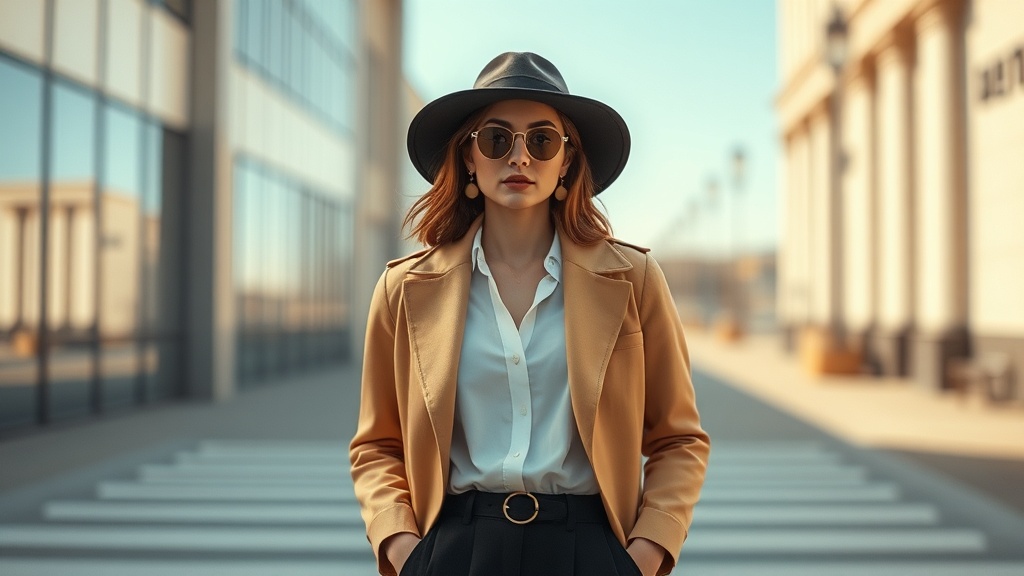
10 Timeless Pieces Every Woman Needs in Her Capsule Wardrobe

This post breaks down exactly which 10 pieces form the backbone of a functional capsule wardrobe—and why owning fewer, better items saves time, money, and decision fatigue every single morning. Whether you're rebuilding a closet from scratch or simply tired of staring at a full wardrobe with nothing to wear, these foundational pieces work together in dozens of combinations.
What is a capsule wardrobe and why does it work?
A capsule wardrobe is a curated collection of versatile, interchangeable clothing pieces—usually 25 to 40 items total—that mix and match effortlessly. The concept dates back to the 1970s when London boutique owner Susie Faux coined the term, but it gained mainstream traction through Donna Karan's "Seven Easy Pieces" collection in 1985. The math is simple: fewer pieces that work harder equals less overwhelm and more cohesive outfits.
Here's the thing—capsule wardrobes aren't about deprivation or wearing the same boring outfit daily. They're about strategic selection. When every piece coordinates with at least three other items, the outfit possibilities multiply exponentially. A 2017 study from the McKinsey State of Fashion report found that the average person wears only 20% of their wardrobe regularly. A capsule approach flips that statistic—every piece earns its hanger space.
The real benefit? Mental bandwidth. Decision fatigue is real, and eliminating the "what do I wear?" question each morning preserves energy for actual priorities. That said, building one requires honest assessment of lifestyle, climate, and personal style preferences. A corporate attorney in Manhattan needs different staples than a freelance illustrator in Portland.
Which pieces should every woman own?
The following ten items form the foundation of a versatile capsule wardrobe that works across seasons, settings, and body types. These aren't trendy statement pieces—they're the workhorses that support everything else.
1. The Perfect White Button-Down
Nothing—and I mean nothing—beats a crisp white button-down for versatility. Tucked into trousers for the office, half-tucked into jeans for weekend brunch, or layered under a sweater with the collar popped, this piece adapts to virtually any situation.
Worth noting: fabric matters more than brand. Look for 100% cotton poplin or a cotton-silk blend that holds its shape without feeling stiff. The Everlane Relaxed Poplin Shirt ($78) hits the sweet spot of quality and accessibility, while the Equipment Essential Shirt ($230) offers luxury-level construction if the budget allows. Avoid polyester blends—they don't breathe and tend to look cheap after a few washes.
2. Well-Fitting Dark Denim
One pair of dark wash jeans—in a silhouette that flatters your body—outperforms five pairs of trendy cuts sitting unworn. Dark indigo reads as polished; it works with blazers for casual Fridays and sneakers for grocery runs.
The catch? Fit trumps everything. A $32 pair of jeans that fits perfectly beats $300 designer denim that gaps at the waist or bags at the knees. For straight-leg options, Levi's Wedgie Straight ($98) works across body types. Madewell's Perfect Vintage Jean ($128) offers a slightly relaxed fit that feels modern without trying too hard. Look for at least 1-2% elastane for comfort, but avoid super-stretchy jeggings that lose shape by noon.
3. A Structured Blazer
A single-breasted blazer in navy, black, or camel transforms basic tees and jeans into intentional outfits. It's the ultimate layering piece—professional enough for unexpected meetings, polished enough for dinner dates.
Key details to seek: genuine pockets (functional, not sewn shut), quality lining (bemberg or silk, not polyester), and shoulders that end at your natural shoulder line. The J.Crew Parke Blazer ($198) delivers consistent quality with multiple size options including petite and tall. For sustainable options, Reformation offers blazers made from recycled materials starting around $248.
4. The Classic Trench Coat
There's a reason the trench coat hasn't disappeared since Burberry invented it for World War I officers. It's water-resistant, belted for shape, and universally flattering. Wear it over work outfits, weekend casual looks, or even cocktail attire in a pinch.
Traditional khaki works everywhere, though black and navy offer modern alternatives. London Fog remains the gold standard for accessible trenches ($120-$180), while Burberry's Heritage Waterloo ($2,190) represents the investment end. The key feature? A removable wool lining for year-round wear.
5. Quality Knit Sweaters (2-3)
Not one—several. A cashmere or merino crewneck in neutral tones (cream, camel, gray, navy) serves as the ultimate layering foundation. These pieces work under blazers, over collared shirts, or solo with trousers and jeans.
Here's the cost-per-wear math that matters: a $200 cashmere sweater worn 100 times costs $2 per wear. A $40 acrylic sweater that pills after three washes and gets donated costs $13 per wear. Naadam offers sustainably-sourced cashmere basics around $75-$150. Uniqlo's merino crewnecks ($40) punch above their weight for budget-friendly options.
6. Tailored Trousers
One pair of well-constructed trousers in black, navy, or gray fills the gap between jeans and formal wear. Think cigarette pants, wide-leg styles, or straight crops—whatever flatters your proportions.
The waistband should sit comfortably without digging, and the fabric should drape rather than cling. Everlane's Way-High Drape Pant ($88) offers modern silhouettes in extended sizes. For traditional workwear, Banana Republic's Ryan Slim Straight Pant ($110) includes machine-washable options that resist wrinkles.
7. The White T-Shirt (in Multiples)
Simple doesn't mean boring. A heavyweight cotton crewneck tee tucked into high-waisted trousers or worn loose over jeans anchors countless outfits. Buy three—because white tees stain, period.
Look for 5-6 ounce cotton (thicker than basic tees, thinner than sweatshirts) and a length that hits mid-hip for tucking flexibility. Buck Mason's Pima Curve Hem Tee ($32) lasts years without stretching. Hanes Beefy-T ($12) offers surprising quality at drugstore prices.
8. A Versatile Midi Dress
One dress that transitions from day to evening eliminates multiple "I have nothing to wear" moments. The midi length (between knee and ankle) flatters every height and works with flats, boots, or heels.
Wrap styles adjust to body changes, while shirt dresses offer button-front versatility. Reformation's Wine Dress ($218) epitomizes day-to-night potential, while Target's A New Day line offers washable options around $30 that don't look disposable.
9. Leather or Quality Faux-Leather Flats
Shoes make or break outfits, and a pair of comfortable, polished flats handles 80% of daily life. Loafers, ballet flats, or minimalist sneakers—all work, depending on your lifestyle.
Sam Edelman's Loraine Loafer ($140) requires zero break-in period and comes in multiple widths. Everlane's Day Glove ($165) molds to your foot like leather gloves (hence the name). For sneakers, Veja's Campo ($175) offers sustainability credentials with minimalist aesthetics that don't scream "gym."
10. A Quality Leather Bag
One structured handbag in a neutral color carries you through every situation. It doesn't need a visible logo—clean lines and quality leather speak for themselves.
Consider size carefully: large enough for daily essentials (phone, keys, wallet, small makeup bag), small enough that you actually use it. Cuyana's Structured Tote ($248) offers optional personalization and a lifetime of patina. For budget-conscious shoppers, Fossil's Carmen Shopper ($168) uses genuine leather with organized interiors.
How much should you spend on quality basics?
Quality basics warrant higher per-item budgets than trendy pieces—think $80-$200 for key items versus $30-$60 for seasonal trends. The goal is cost-per-wear under $5, which means spending more on pieces you'll wear weekly for years.
Here's a practical framework for allocating a $1,500 annual clothing budget:
| Item Category | Percentage of Budget | Approximate Dollar Amount |
|---|---|---|
| Core basics (blazer, trousers, coat) | 40% | $600 |
| Knitwear and tops | 25% | $375 |
| Quality footwear | 20% | $300 |
| Accessories and bags | 10% | $150 |
| Trend/special occasion pieces | 5% | $75 |
This ratio flips the typical shopping pattern—instead of blowing the budget on one statement piece, you're investing in the invisible workhorses that make every outfit look intentional.
Where should you shop for capsule wardrobe pieces?
Certain retailers consistently deliver the quality, fit consistency, and style longevity that capsule wardrobes demand. Here's where to focus your search:
Accessible price points ($30-$100): Uniqlo excels at basics with technical fabric innovation (Heattech, Airism). Everlane offers transparency about factory conditions with consistent sizing. Madewell delivers denim and casual pieces with above-average construction.
Mid-range investments ($100-$250): J.Crew and Banana Republic have improved quality control significantly in recent years. COS offers minimalist Scandinavian aesthetics with architectural cuts. & Other Stories brings European sensibility at accessible prices.
Higher-end staples ($250+): Equipment for silk shirts, Vince for elevated basics, and Eileen Fisher for size-inclusive, sustainable pieces that last decades (seriously—the brand offers a recycling program for worn items).
How do you maintain these pieces so they last?
Even quality garments deteriorate without proper care. Simple habit shifts extend garment lifespan by years.
Wash less—seriously. Denim only needs washing every 5-10 wears unless visibly dirty. Knitwear benefits from airing out between wears. Use mesh bags for delicates, skip the dryer for anything with stretch or structure, and invest in wooden hangers (they maintain shoulder shape and absorb moisture).
Worth noting: proper storage matters too. Store seasonal items folded in breathable cotton bags, not plastic. Cedar blocks prevent moth damage without chemical smells. And get pieces tailored—a $20 hem adjustment transforms an $80 pair of pants into custom-fit clothing.
Building a capsule wardrobe isn't a one-weekend shopping spree. It's a gradual curation process that rewards patience. Start with the gaps—what do you reach for constantly that needs replacing? What do you never wear that could fund a better piece? Each intentional addition brings you closer to a closet that works harder than you do.
"Buy less, choose well, make it last." — Vivienne Westwood
The best wardrobe isn't the biggest one. It's the one where every piece feels like a favorite.